News & Insights
Purpose Driven Beauty Innovations

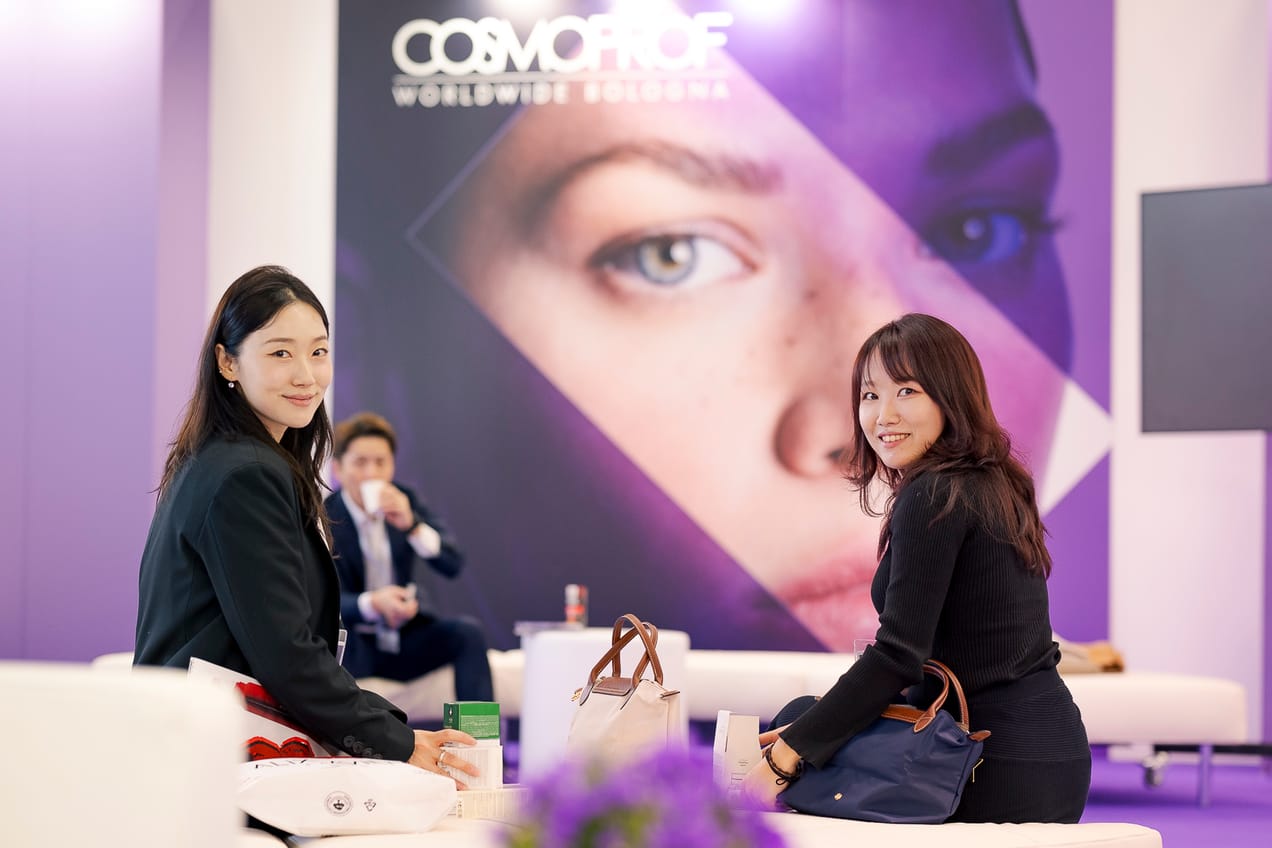
Beauty innovations seen at Cosmoprof Bologna
From spray-foam-to-pad beauty, to hazelnut-based packaging, to blue beauty with ocean-sourced innovations, Cosmoprof Bologna - which gathered about 250,000 visitors with over 3,000 exhibitors from 64 countries and more than 10,000 brands - didn’t disappoint in beauty innovations.


Consumer & Sustainability Perceptions 2024: Western Europe
Our Consumer & Sustainability Perceptions 2024 report is part of a series of reports that explores how consumers view beauty and sustainability around the globe. This report focuses on Germany and France. It includes consumer data and insights as well as highlights local beauty brands that are innovating in the

Sweetch, a new biotech company for the beauty world
Sweetch, a newly formed beauty ingredient company, focusing on natural and sustainable technologies launches in the global market. The company is owned by Ekkio Capital, an independent management company that has been investing for 20 years in growth-oriented European SMEs in four sectors: Tourism & Leisure, Health & Beauty, Security

3 years now
It's been three years this month since re-sources has been active. We launched the idea in 2020, in the middle of the second covid lockdown, built the concept and traded with our first clients in June 2021. 3 years then! It feels very special to blow our third
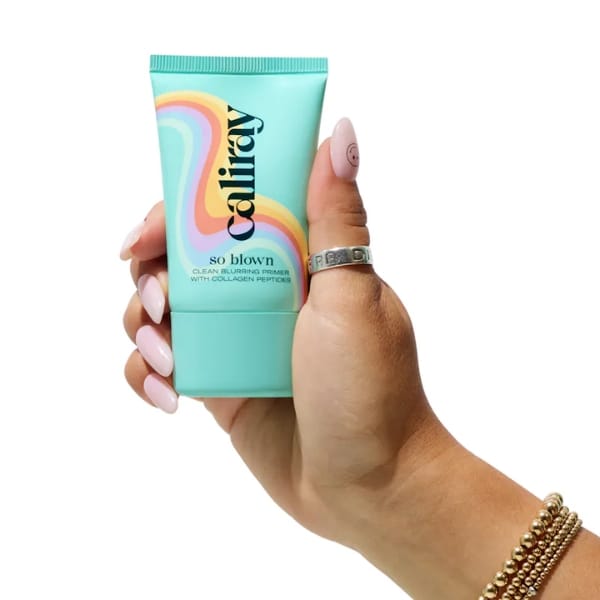
World first captured-carbon cosmetic tube
Following a year-long development process, Element Beauty Group and Caliray have developed a tube made of captured-carbon, a world first in the beauty industry. Caliray's hero product face primer called “so blown” a face primer has now re-packed it into a improved tube with stronger performance for better

Refillable Beauty - changing consumers habits
Today refillable solutions are complex for everyone. For suppliers and brands it requires a shift in supply-chain, for retailers it needs a shift in logistic and retail space, and we know how scarce space can be, and on the consumer side, it requires an active behaviour to bring back or

A new way to lipstick, is that even possible?
Following a recent interview with Thierry de Baschmakoff, we uncover the secret behind its latest design of a refillable lipstick. The idea creates a new way to design a lipstick, yet, remains intuitive and does not change the way consumers would use or hold this iconic beauty item A new
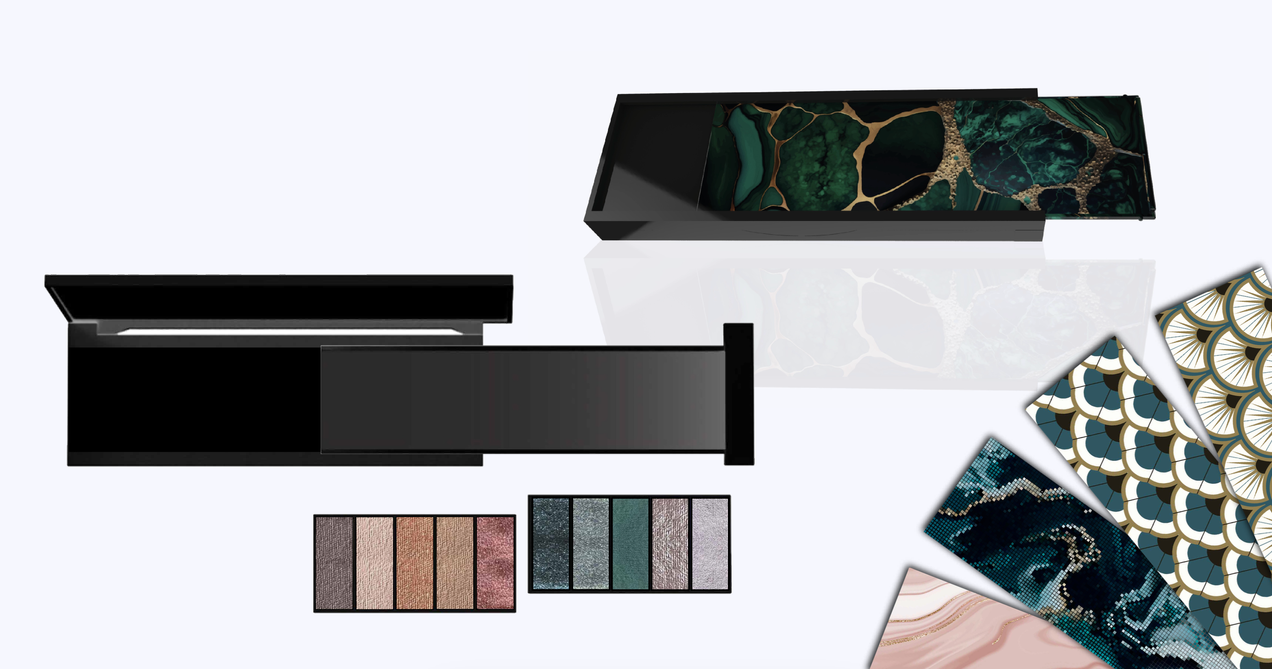
Eco-desirability as a source of inspiration in beauty innovation
Looking at the beauty market and the appetite for sustainable solutions, consumers are still widely attracted by luxury and experience, primarily. Developing a good product for the planet is a requirement, but not at the expense of an enjoyable experience. Green, often tagged as less attractive, is now getting a

Sustainable packaging innovations in Paris, at LuxePack
We are back in Paris this week for another trade show. In the run before the Olympics, all events are happening earlier than usual in the French capital. This time LuxePack Edition Spéciale who received 100 exhibitors in the Carreau du Temple for the last year, before moving to Carrousel
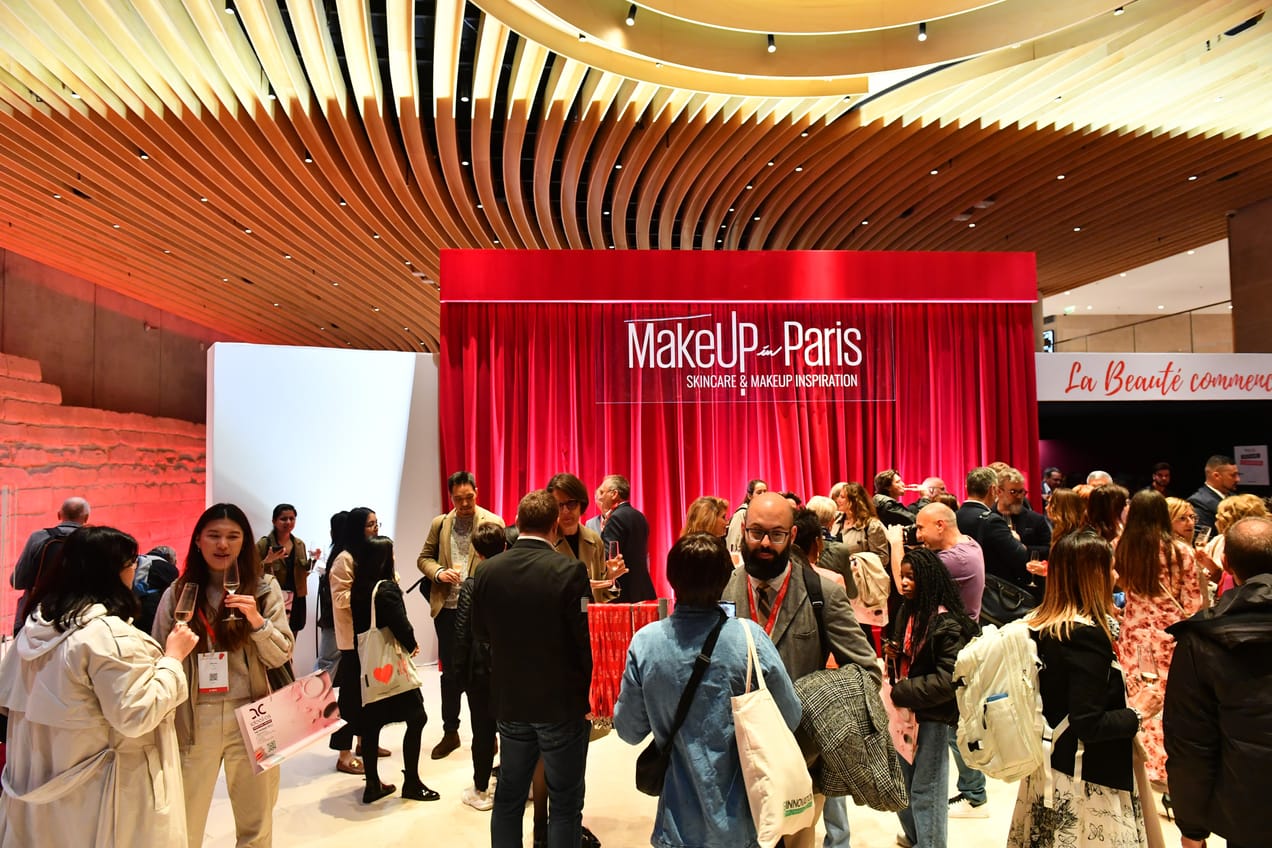
Beauty Innovations found at MakeUp in Paris
The make-up and skin care boutique event of the year was back in Paris, ahead of its usual time, to accommodate the calendar of the Olympic Games, and I have to say, you have to be in an Olympian shape to visit that show, as there were so many great

From experience and ethereal to playful design, a few trends driving the South Korean market
Following an interview with 주설아 Joo Seol-ah, founder & creative director of a South Korean branding & design studio dyr Joolia, at PCD Milan, we uncover the main trends in packaging design in this local market. From minimal design to playful products, Korean consumers are always on the lookout for

Geka is releasing a fully recycled PP mascara packaging: A long-expected innovation
Released at Cosmopack Bologna 2024, GEKA developed a recycled PP for primary packaging, which is food-contact approved for suitable and safe use in cosmetics. Made of at least 95% recycled PP plastic, this new material opens up new opportunities for the cosmetics industry, with makeup products at the forefront. We

More conscious tools of the (beauty) trade – How biobased sponges can transform the beauty routine with Taiki
In the world of cosmetics, sustainability is not just about greener packaging and natural formulations. More and more, consumers are starting to demand better, more responsible solutions in the area of accessories, too. Makeup tools are a great example. Typically, makeup sponges, puffs, and brushes are produced using substances with