The beauty industry's underrated market: the UK
The “British Beauty Week” has been held for three years in the heart of the British capital and extends across the country's provinces and cities through various brand and in-store activations.

The British Beauty Council — the beauty equivalent of a fashion trade association — hopes to demonstrate the power of the industry through a beauty week that resembles Fashion Week.
A focus on female-founded brands
This year, the organization kicked off the event with an “Industry Day” where beauty professionals gathered for panel discussions and visited exhibition spaces dedicated to British brands or new market entrants.
In 2026, the focus was on brands founded by women for women, with the collective “Buy Women Built (BWB)”, showcasing 52 brands in a separate space located in the venue's walkthrough bathroom area. Among the featured brands were Absolute Collagen, The Retreat, DrPawPaw, Wuka, Yougi, HairGain, and many others.
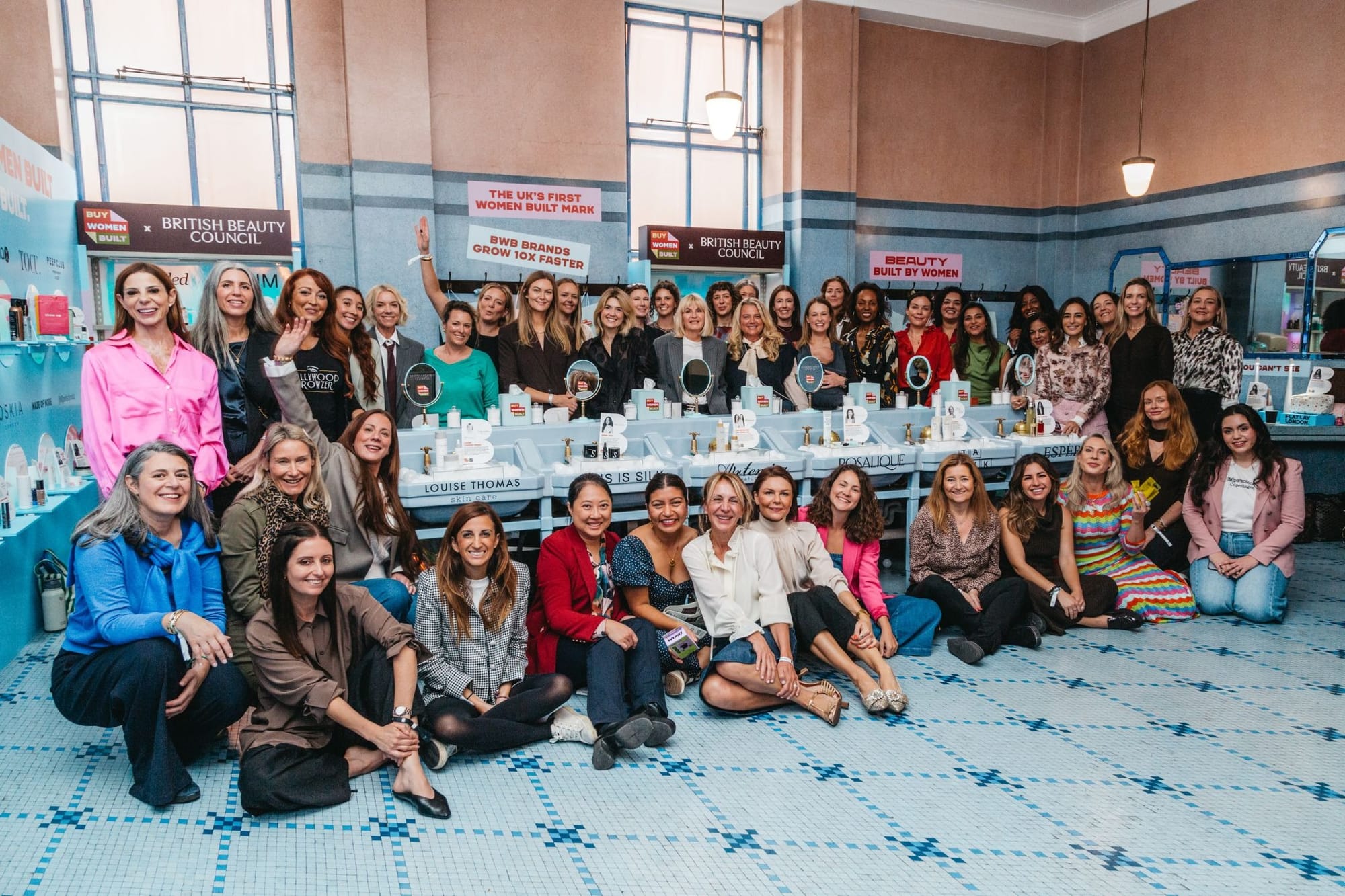
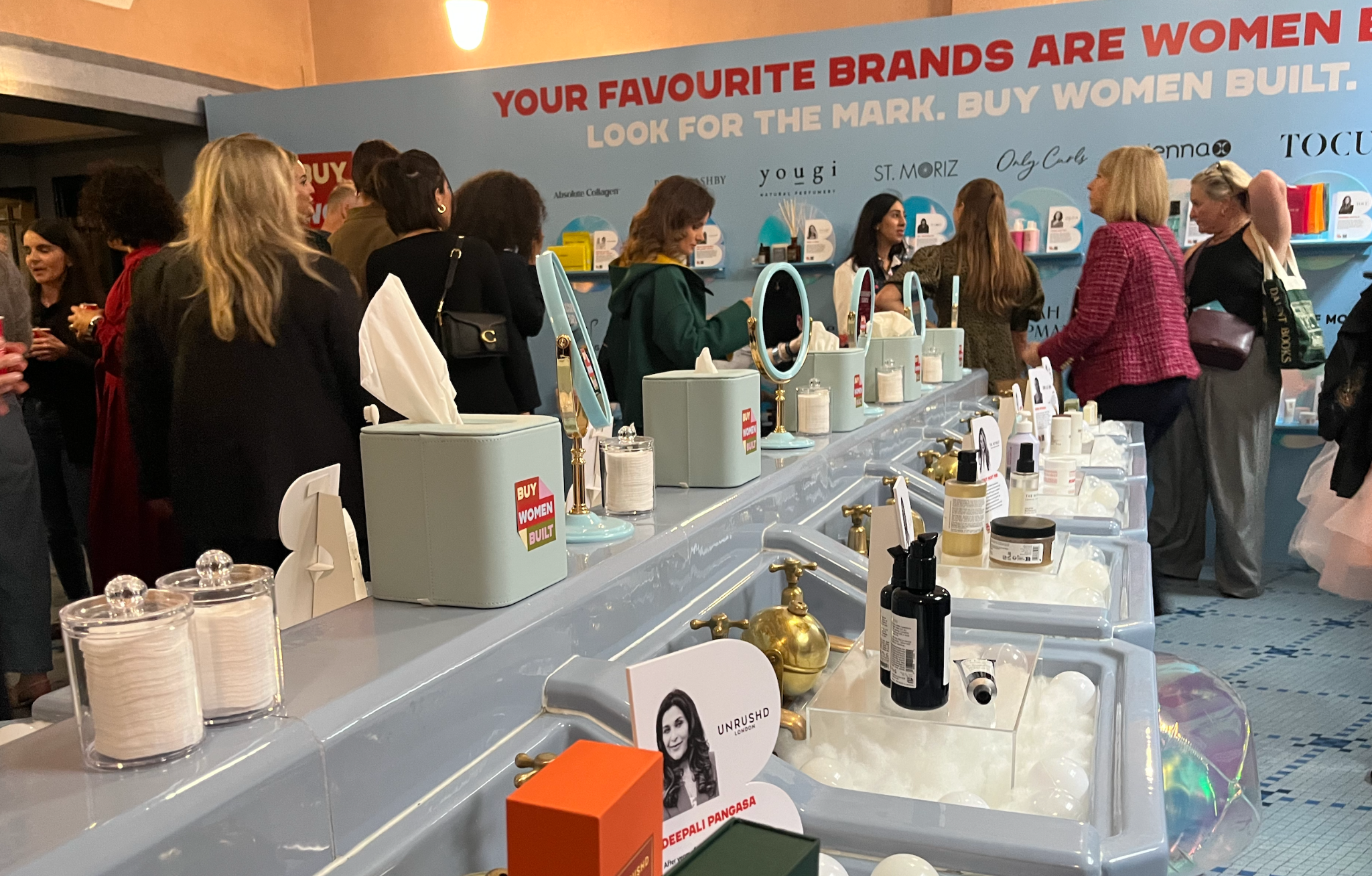
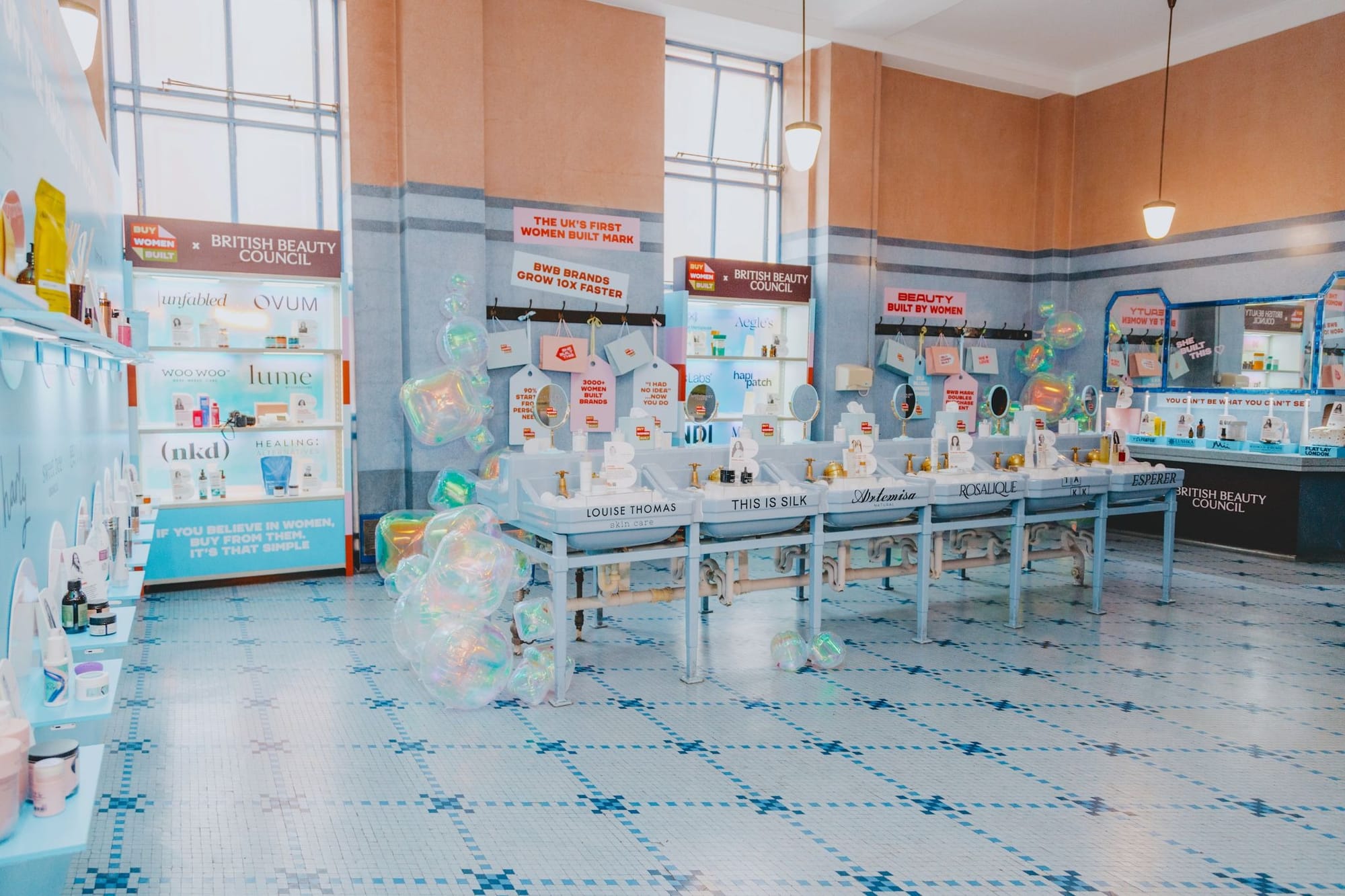
Credits: Images 1 & 3 - Buy Women Built (BWB)
In another space, another brand launched a new concept of transparency during this day by displaying the cost of each product alongside its retail price. The UK is accustomed to this type of service, notably with Beauty Pie, which was the first brand (and still the only one, to my knowledge) to highlight lab sourcing and formulation work at affordable prices. They explain: “Formulating our products using the same world-renowned laboratories and high-performance ingredients as 'big luxury brands', but cutting out celebrity endorsement campaigns, expensive retail networks, and excessive retailer markups.”
“The Fix” by NIP+FAB takes the concept a step further and discloses the itemized cost of each product to “restore trust in beauty products,” the brand explains. The label even goes as far as disclosing its formulas, complete with ingredient percentages and product data sheets. I find the positioning bold; now, it remains to be seen whether consumers need this much transparency or if it risks overwhelming them with too much information.
The contribution of beauty: £28.3 billion to UK GDP
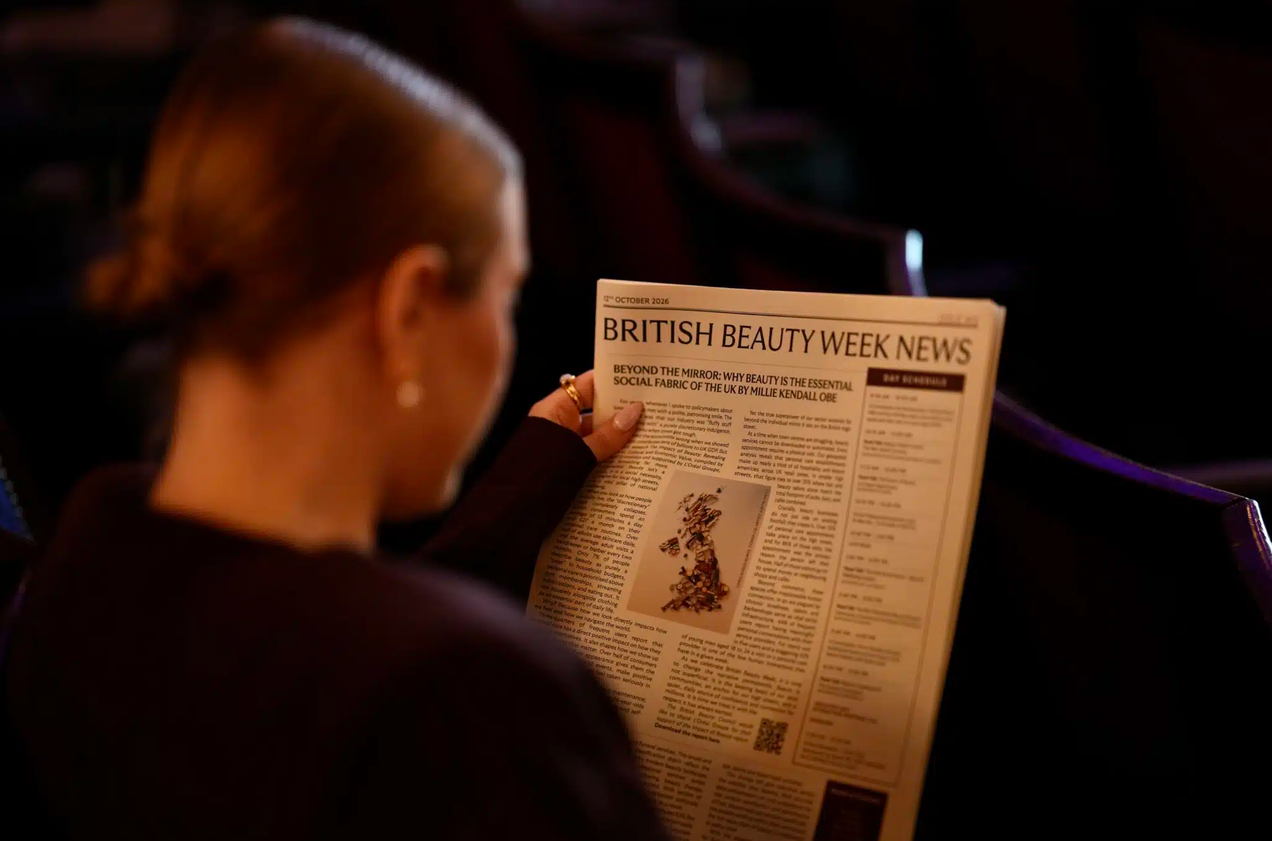
This year, the British Beauty Council unveiled its report “The Impact of Beauty” to demonstrate the strength of the industry.
The report reveals the broader beauty sector's contribution (beauty products, personal care products, hair salons, spas, etc.) —not only economically, particularly in terms of GDP (Gross Domestic Product), but also socially.
The report states: “The economic importance of the beauty sector is now clearly established. In 2025, this sector contributed a total of £28.3 billion to UK GDP, employed a total of 595,000 people across industry, retail, and service sectors, and generated £8.8 billion in tax receipts for the Treasury. The question addressed in this report seeks to determine the sector's contribution to GDP.”
Produced in partnership with Oxford Economics and supported by L'Oréal, this report highlights the social, cultural, and economic value of the beauty industry. Notably, it reveals that 50% of high street visits are driven by personal hygiene or beauty needs. Essentially, consumers go out to treat themselves to small pleasures tied to beauty and broader well-being. The report also notes that half of these visits are accompanied by additional spending in neighboring businesses, underscoring the beauty sector's role in supporting local retail, hospitality, and services.
A creative representation
Beyond the brand showcase and the publication of this report, the day offered industry professionals an opportunity to connect through panel discussions. The event opened with appearances by Mel B (Spice Girls) and celebrity hairstylist Rory McPhee, and concluded with actress Golda Rosheuvel (Queen Charlotte, Bridgerton) serving as ambassador for “British Beauty Week.”
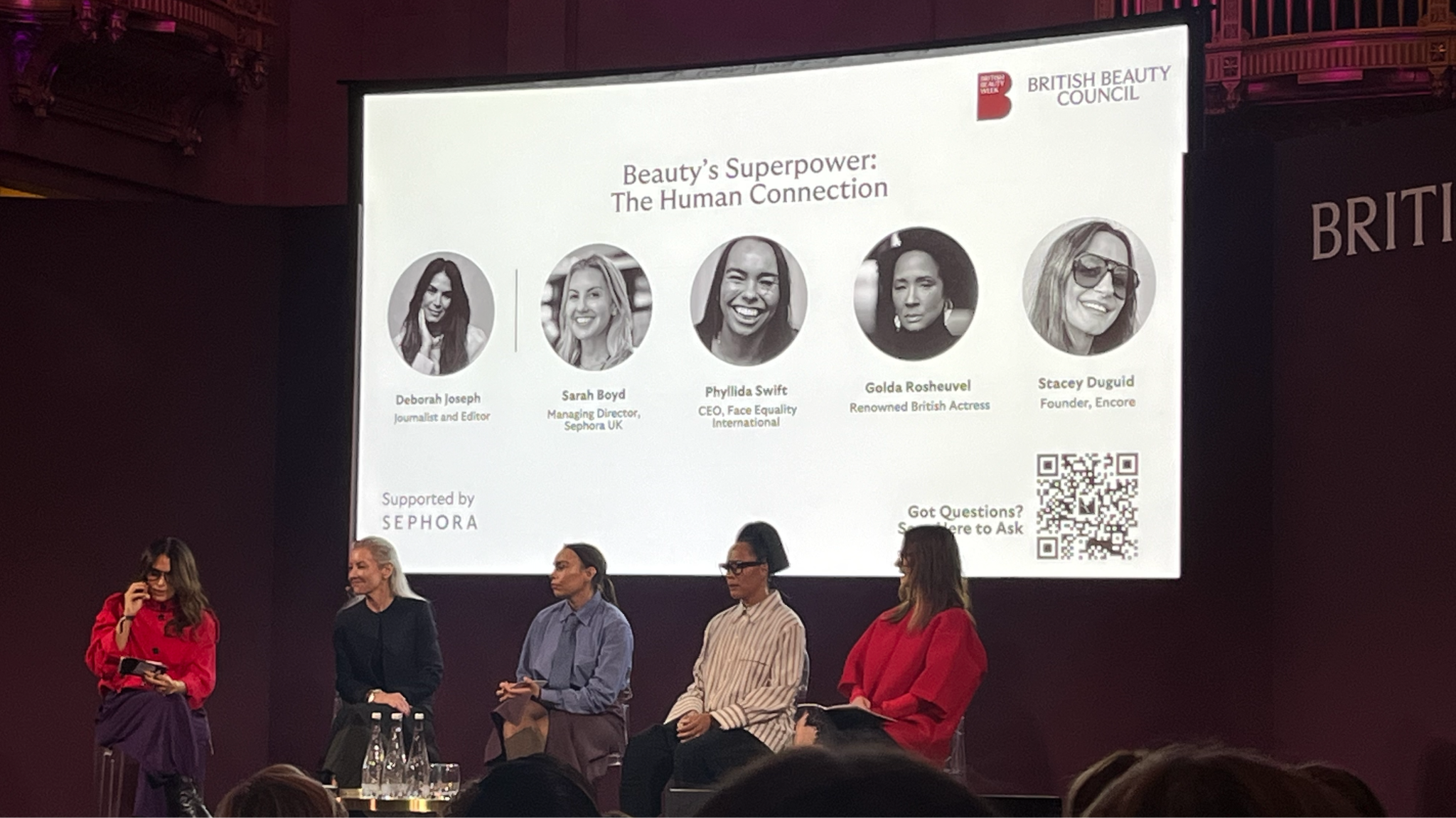
An inspiring schedule featured renowned British brands such as Boots, No7, ELEMIS, Sephora UK, Cult Beauty, Trinny London, and Medik8. The day explored the changing beauty landscape and the forces shaping its future—ranging from consumer behavior and innovation to social commerce, culture, and business growth.
Now in its third year and positioned halfway between a trade expo and a conference, the British Beauty Council uses the day to bring professionals together and launch the "Beauty Week" initiative, highlighting beauty's role in British society. The goal is to challenge lingering misconceptions about the sector—where self-care is sometimes viewed as frivolous and vain in perfidious Albion—despite the industry's major role in society.