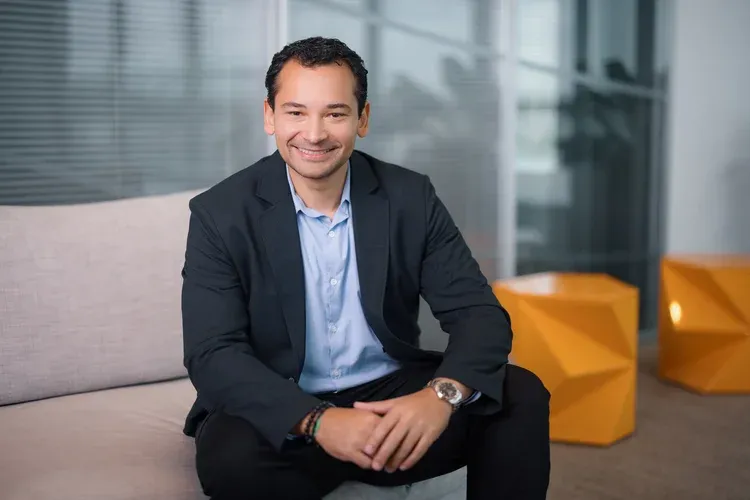
Supporting the social and economic fabric is just as important as preserving nature in Brazil, says Luis Meyer, Sustainability Director at Grupo Boticário
re/sources met recently with Grupo Boticário in Brazil to take stock of the company’s sustainable commitments and social engagements.

Brazilian Beauty consumers are the most committed globally, and 72% would never stop buying cosmetics, which is 12 points higher than the US, for instance (NIQ).
Brazil is a country full of diversity. Diversity in its flora and fauna, climate and landscapes, people, and history. This makes it a captivating destination that is often underrated. Brazil is the second-largest market for perfume, reaching R$50.4 billion in retail sales in 2025, a 10.3% increase from the previous year, according to Euromonitor. Haircare innovation is also strong, given the diversity of hair types in the Brazilian population, and Brazil ranks 4th globally. In other words, Brazil is a market not to be missed.
Beauty and grooming are part of Brazil's daily life across all socioeconomic levels. With a warm, sometimes tropical climate, Brazilians are known to take several showers a day and have historically used cologne to stay fresh.
From roots to foundation, an ethical impact
re/sources: How does Grupo Boticário support the people and the planet considering the size of its operations?
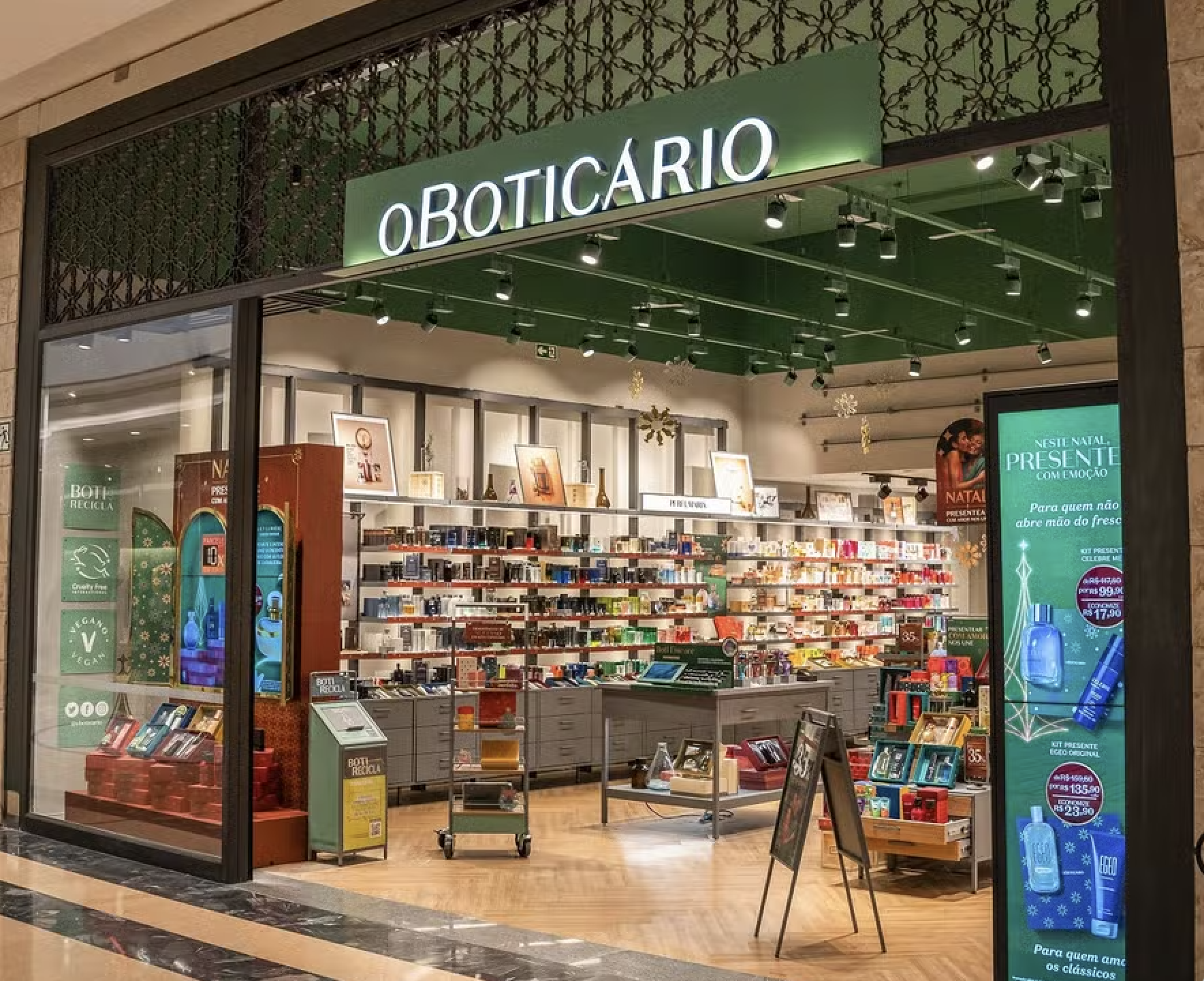
Luis Meyer: From its inception, Grupo Boticário, founded in 1977 by pharmacist Miguel Krigsner as a small prescription pharmacy named o’Boticário in Curitiba, the capital of the state of Paraná in southern Brazil, served the local population through its products and offerings. The company is now the world's largest perfumery and cosmetics franchising network with about 4000 stores in 1750 cities across Brazil. The Brazilian beauty giant also operates in 15 to 40 countries, including Portugal, Colombia, Bolivia, Paraguay, Venezuela, Angola, and Japan.
The Grupo Boticário owns several brands, including O’Boticário, Eudora (Cosmetics), Quem Disse, Berenice? (makeup), Vult (makeup and beauty), O.u.i (a French perfumery brand), Dr. JONES (men care), Truss Professional (professional hair care), Tô.que.tô (personal care) and Au.Migos (pet care).
The group mostly serves the local community, with beauty, makeup, hair, and personal care products, and its purpose is to “create opportunities for beauty to transform people's lives and thus transform the world around us.” Alongside their social commitment, they have been invested in preserving Brazilian culture and nature.
With this vision, Miguel Krigsne also created the Grupo Boticário Foundation to advance “Nature conservation” and its mission “to promote and advance nature conservation, in order to sustain life”. It is an independent legacy organization funded by up to 1% of the company’s net revenue, focused exclusively on preserving natural biomes paramount to Brazilian biodiversity. In other words, no commercial use occurs within the foundation's geographical boundaries.
The organization actually operates as a research think tank to promote nature-based solutions, and manages over 11,000 hectares of Private Natural Heritage Reserves (RPPN) across Brazil’s Cerrado and Atlantic Forest regions. This initiative serves as a permanent contribution to environmental protection in Brazil.
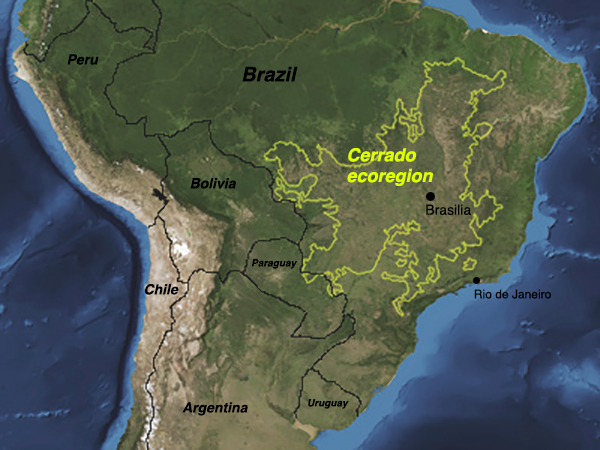
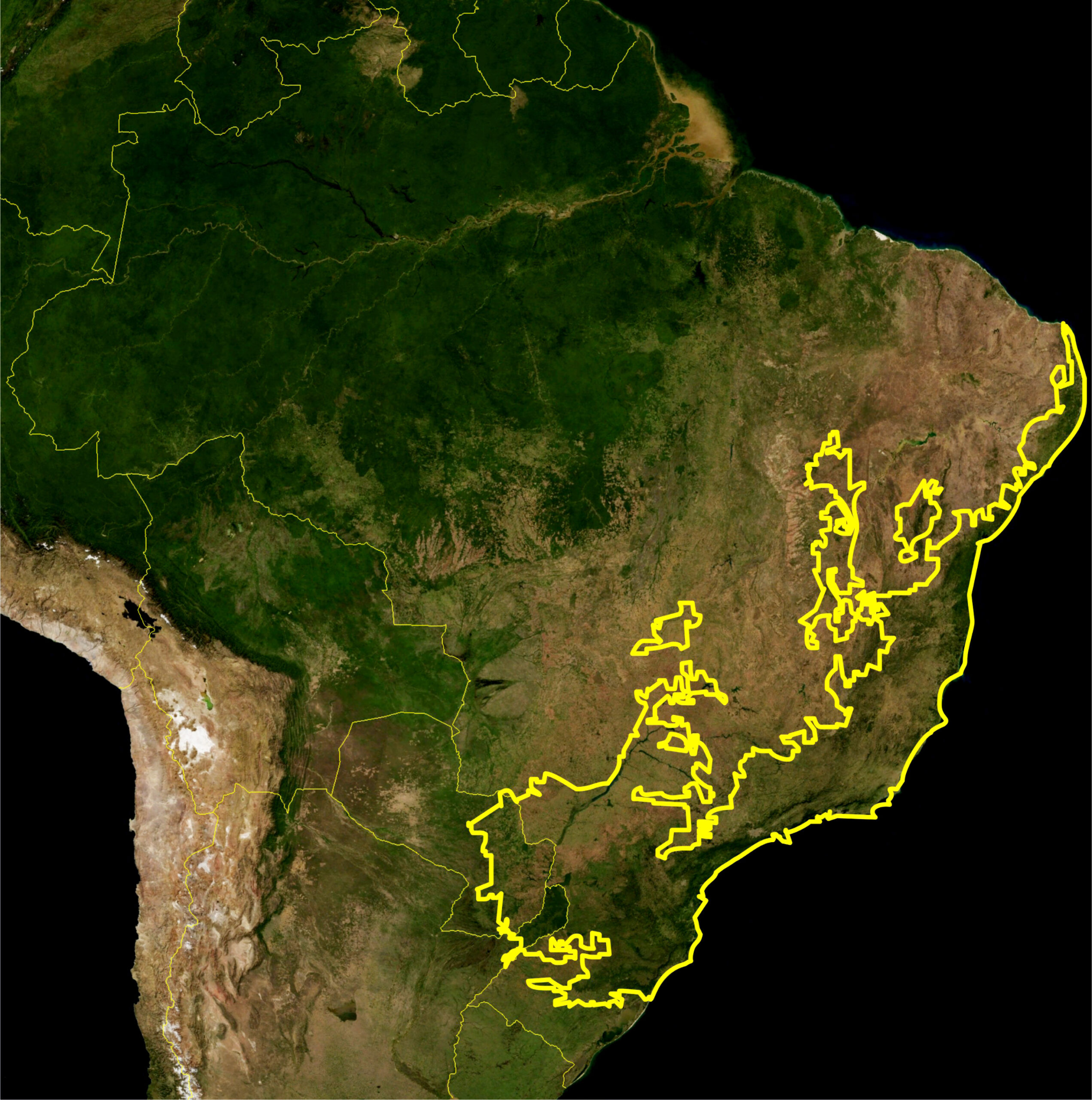
Brazil’s Cerrado & Atlantic Forest
Environmental Impact and Socio-Economic Fabric: Suppliers and Entrepreneurship
re/sources: How does Grupo Boticário support suppliers and communities through women?
Luis Meyer: For us at Grupo Boticário, protecting ecosystems works alongside supporting local communities and building a resilient supply network.
Our sustainability commitment focuses on decarbonizing the supply chain wherever possible. We manage a Supplier Development Program (PPA) that has run for 29 years and engages over 2,000 direct suppliers. Crucially, 10% of the program is dedicated specifically to ESG (Environmental, Social, and Governance) criteria. The initiative prioritizes supplier education, helping partners measure climate data, build emissions inventories, and advance their decarbonization journeys.
On another scale, related to women's empowerment and beyond any direct commercial operations, the Grupo Boticário Institute leads targeted social programs aimed at economic empowerment. The institute offers free online and in-person vocational training in hair, nails, and beauty services to help women launch independent businesses. To date, the program has impacted over 700,000 women, with a clear target to reach 1 million participants by 2030.
Circular Economy with Reverse Logistics and Local Impact
re/sources: With 4,000 stores and many beauty products that impact the planet, what actions are you taking to reduce the business's impact?
Luis Meyer: Translating sustainability commitments into tangible retail operations requires addressing waste management and circularity at scale.
The group’s signature reverse logistics program (waste collection), "Boti Recicla," engages approximately 3 million consumers annually by offering them a discount or gift package in exchange for collecting empty product packaging across retail stores. The group directs collected materials to 14 partner waste cooperatives, directly supporting local waste collectors.
For complex packaging materials that cannot be recycled through standard channels, Grupo Boticário collaborates with partners to transform waste into "echo-labs"—upcycled structural materials used for store shelving and sustainable retail architecture. For example, the group partnered with Mão Colorida to create chapa sustentável (sustainable board) from low-recyclability plastic waste to replace MDF in store furniture and shelves.
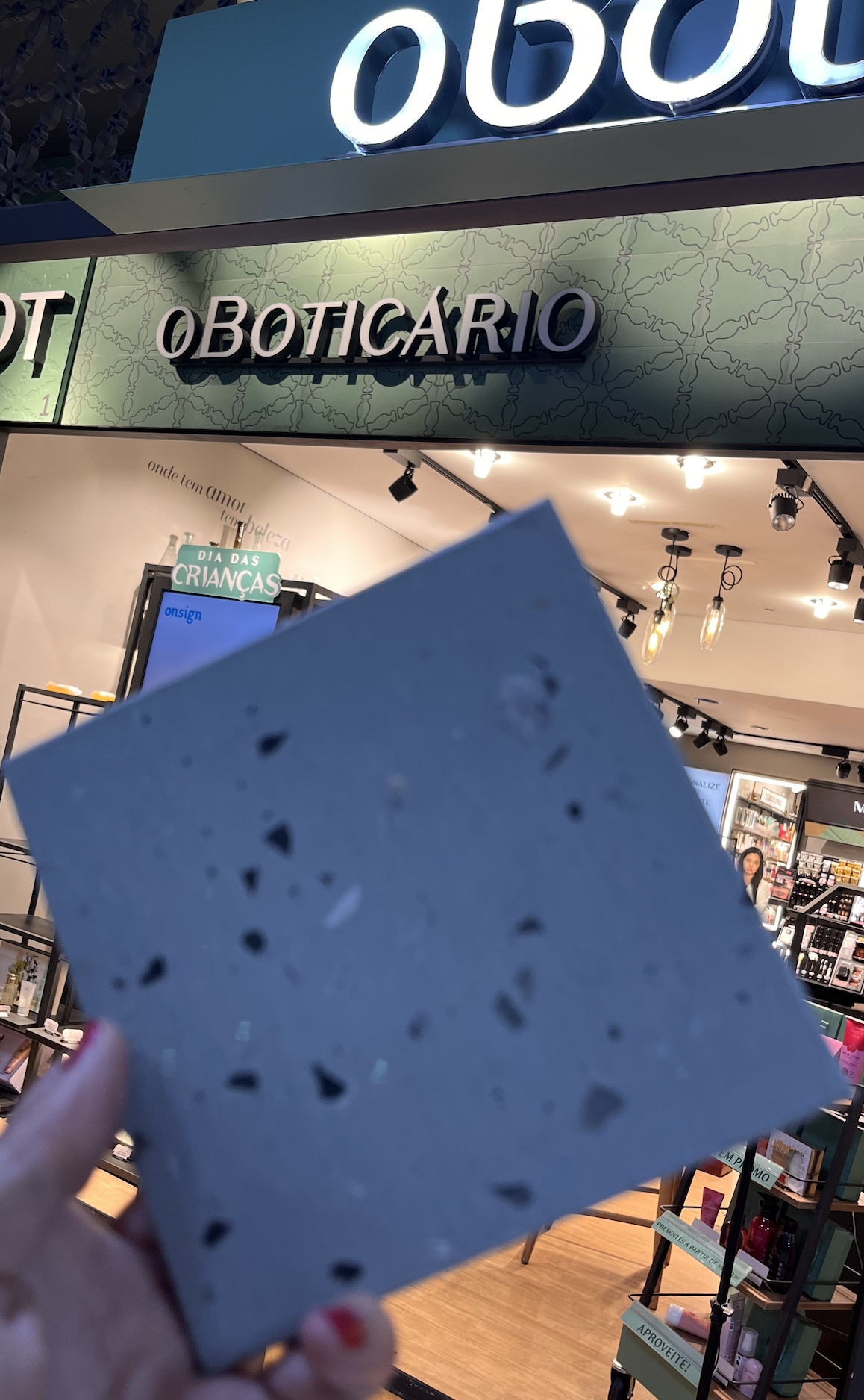
As for the new Sustainable Store Structure, each O Boticário sustainable store incorporates at least 1 ton of recycled plastic into its structure; this is currently present in 100 beauty shops.
In retail, we aim to increase post-consumer recycled (PCR) content in packaging, aligning with Brazilian legislation, whose transition timelines are often shorter and more challenging for smaller companies than European regulations.
The company conducts Life Cycle Assessments (LCAs) for 100% of its portfolio and refreshes 30% of its product lines every two years.
Our targets for 2030 include:
- A 15% reduction in total package weight
- 30% reuse across packaging models
- 45% recycling rate across operations
Barriers to sustainable consumption
re/sources: What is the group building to support more sustainable consumption throughout?
Luis Meyer: Implementing sustainable practices in Brazil comes with specific market dynamics, including heightened consumer price sensitivity and regulatory challenges.
Brazilian consumers, like most consumers globally, often exhibit biases against lightweight or eco-designed packaging. Lighter weight is often perceived as lower quality. We actively work to educate consumers on the environmental benefits of sustainable packaging.
Refills are another alley of innovation. We have seen strong adoption in the body care category. However, perfume refills face cultural hurdles around gifting habits and strict regulatory requirements from the Brazilian health agency Anvisa. The company is engaged in public consultations to advocate for regulatory updates within the next five years.
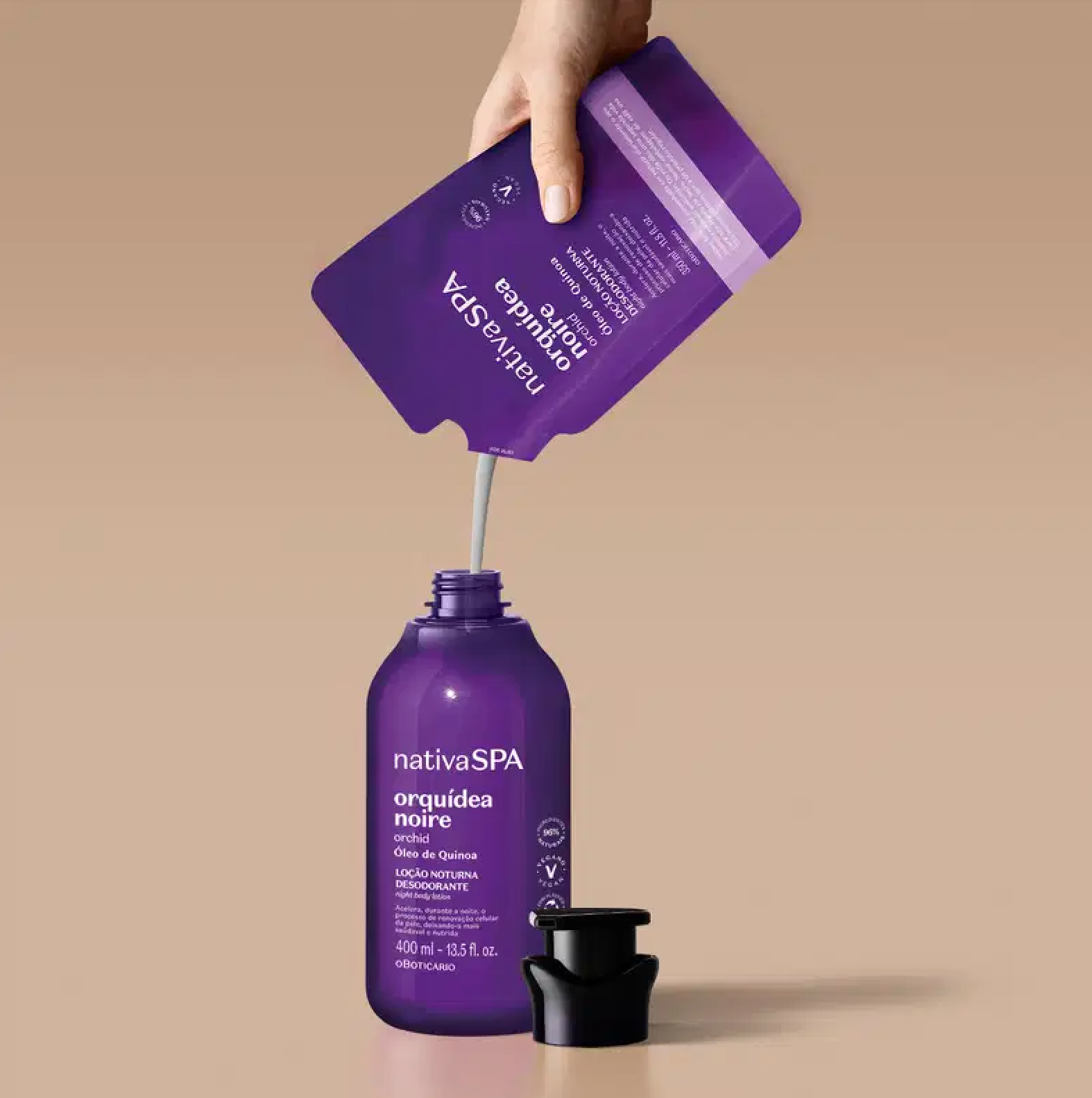
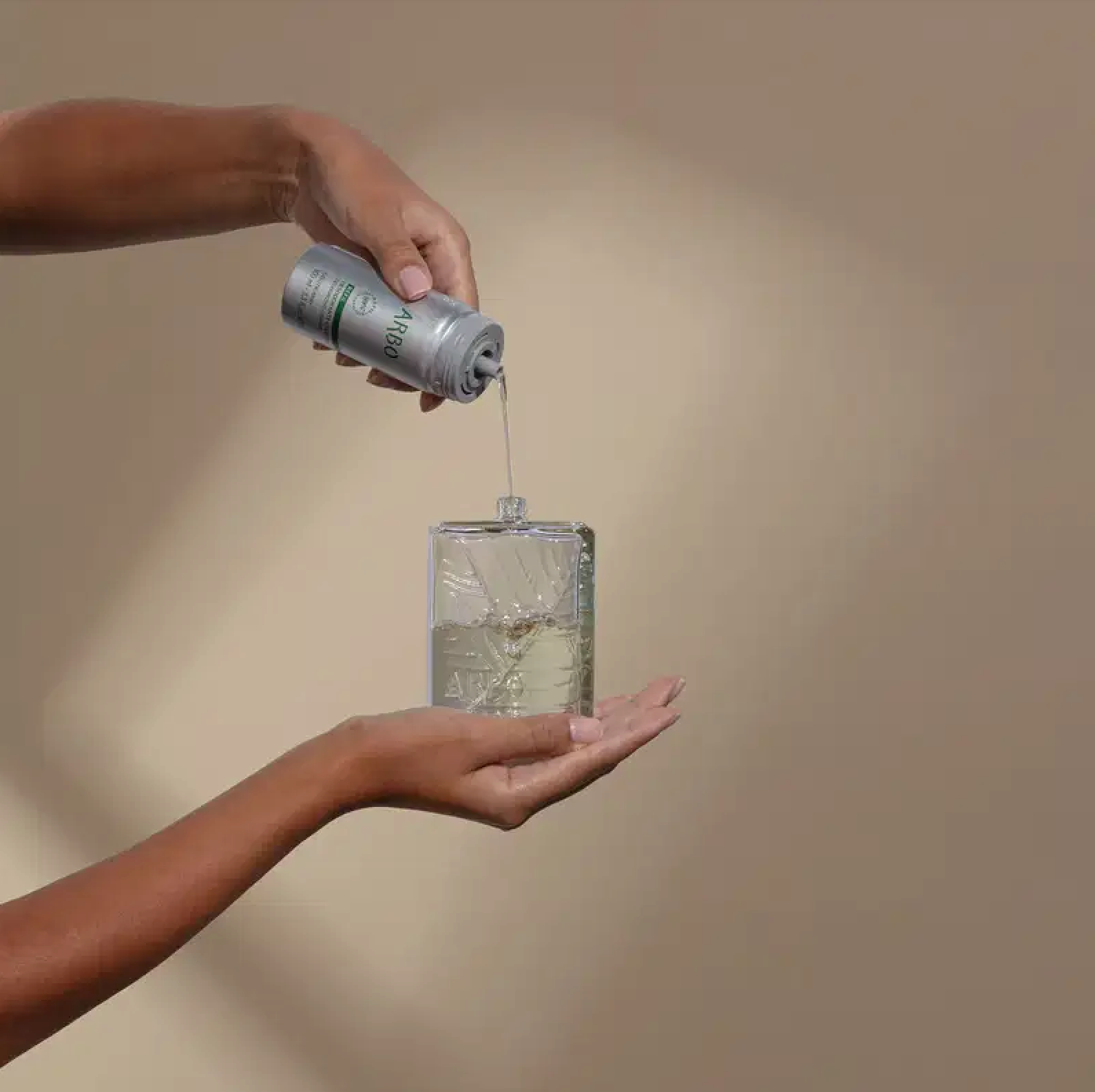
O Boticário refillable solutions
We are also working on Inclusive Design. Our R&D efforts integrate accessibility into product design for aging populations and individuals with disabilities, leveraging consumer insights from the group's 40-million-member loyalty program.
Beyond sustainable commitments. Global Collaboration and Trust
By combining rigorous nature conservation with deep socio-economic investment, Grupo Boticário demonstrates that sustainable transformation in emerging markets requires an integrated approach—one where supporting people and preserving nature are intrinsically linked.