
Packaging and consumer experience: when design becomes a lever of desire
An overview of design ideas from Indie brands to break the mould of traditional beauty.

The myth that Anita Roddick started a global brand in her kitchen is just that, a legend. Did you know that she actually started immediately with a lab to develop and manufacture her formula? Not to take away any merit from her creation; she was still an amazing creator and founded an amazing brand, but it wasn’t just made on her kitchen island… well, the ideas were drafted in her kitchen, but they were executed by a professional lab.
Why am I telling you this?
Because if professional execution was the secret sauce back then, the stakes are even higher today. In the modern beauty landscape, having a great formula is just the baseline. The new battleground? The packaging experience.
It’s always been part of the full product journey. Brands carefully design their packaging in line with their branding. Nowadays, it's centre stage, and packaging is no longer seen as a means to an end, a transportation device, or an easy protective tool for your beauty products; it's an entirely part of the consumer experience. From unboxing to application or even massaging, packaging is part of the success of a formula as it can enhance the beauty gesture and sometimes even the end results, meaning efficacy.
Indie brands have pushed boundaries of design. They are no longer content with simply creating high-performance products; they are designing packaging that tells a story, fits naturally into beauty routines, and makes people want to show it off, share it, and recommend it. Packaging has become the real vehicle for experience.
The Era of "packaging ritualised"
We are seeing a massive shift where the pack isn't just a container; it’s a tool.
Look at REFY. Their lip gloss went absolutely viral, not just for the shine, but for that metal tip on the applicator. It gives the user this cold, crisp sensation that instantly signals "it’s working." It’s a very simplistic design, yet it turned a mundane gesture into a sensory event.
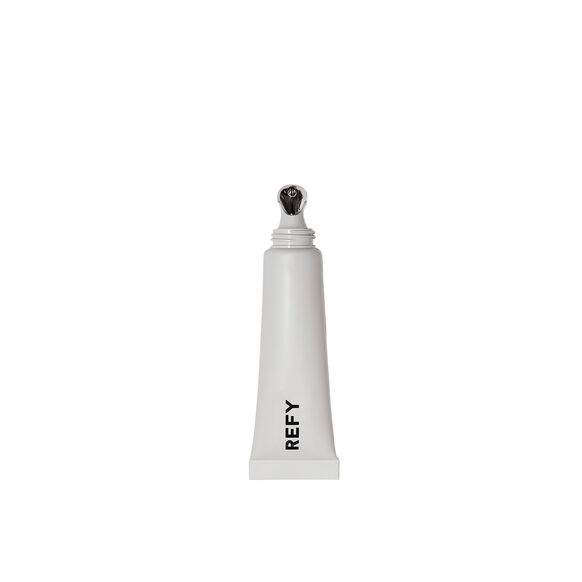
We’re seeing this in haircare now, too, where scalp applicators are being built directly into the packaging. It’s "ritualisation" at its finest, where packaging becomes the applicator rather than just the transportation device. The packaging creates the ritual.
And social media, and the TikTokisation of them, with an increase of video content, has changed the way we demonstrate and use beauty products. With GRWM (Get Ready With Me) trends, brands are following suit to create highly visual experiences.
Inclusivity: The New "Cool"
If you think inclusive design implies a "medical" look, think again.
Rare Beauty started the conversation, with its rounded shape added to the caps for easier application, but look at TILT Beauty in the US. They are taking the inclusivity journey to a whole new level. They have received the Arthritis Foundation stamp of “Ease of Use”, to ensure that the product is actually usable by anyone. We aren't just talking about easy-to-open caps; we are talking about ergonomic designs that look incredibly chic. It proves that you don’t have to sacrifice "shelfie" appeal to be universal. It’s functional, desirable, and smart.

From French Pharmacy to Pop
Speaking of shelf appeal, have you seen Glowery here in France? It’s a total vibe shift. The story is brilliant: the founder’s daughter scribbled the designs, and they turned those drawings into real 3D packaging. It’s colourful and more imaginative, and it stands out in a sea of beige. It’s more in line with Korean beauty, where packaging is more playful.
It also reminds me of Byoma’s approach, breaking the codes of "serious skincare" with bright colours to make barrier repair feel like a party, much like Drunk Elephant did a few years back. We see a lot more colours and shapes in Beauty now.
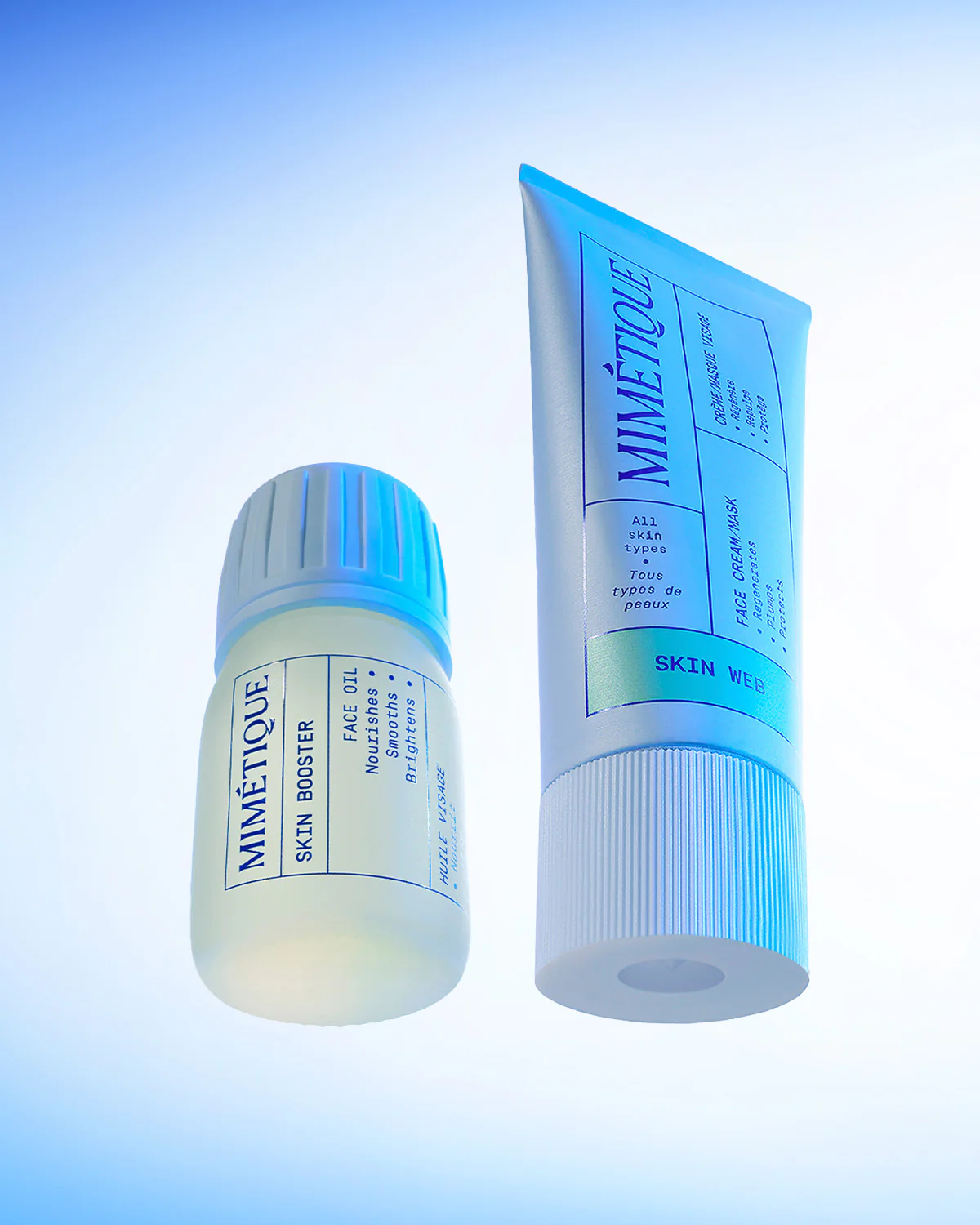
On the flip side, you have Mimétique, which is reinventing that classic "French Pharmacy" style. It’s giving us paint-tube aesthetics, a nod to the compounding chemist, but with a modern twist. It feels trustworthy, but cool, yet it signifies French Pharmacy. The packaging is part of the message.
Packaging has always been part of the marketing, aligning with branding, but now, even more so, part of the storytelling. The packaging is the message.
Local Roots, Global Luxury
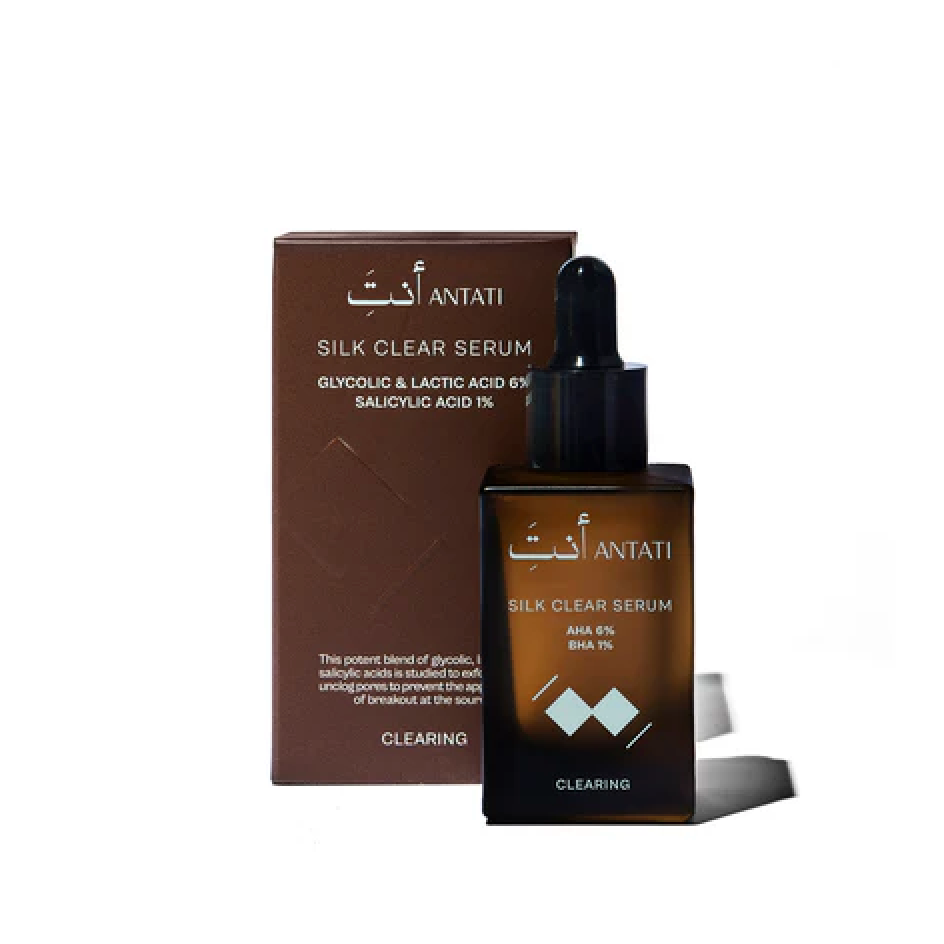
Finally, we can’t talk about design without mentioning heritage. ANTATI Skin from Lebanon is the perfect example of how local codes can translate into premium, prestige design. They are offering a new beauty language for Arab skin, wrapping it in packaging that feels rooted in the region yet universally luxurious.
The Takeaway?
Anita Roddick knew she needed a lab to make the formula work. Today’s founders know they need the right suppliers to make the experience work.
Want to navigate this maze? Join me for a round table where we will explore these challenges, from sensory design to development constraints, with the founders and experts making it happen. Plus, we’ll take a guided tour of the show to meet the pre-selected suppliers who can actually bring these ideas to life.
At Paris Packaging Week, you’ll meet TikTok, TILT and Antati, where we’ll discuss the new realm of Beauty Packaging, and what it takes to make or break a trend.
Eva Lagarde
Founder of re/sources
Packaging and consumer experience: when design becomes a lever of desire
In the modern beauty landscape, packaging has become a real vehicle for experience. Indie beauty brands are no longer content with simply creating high-performance products: they are designing packaging that tells a story, fits naturally into beauty routines, and makes people want to show it off, share it, and recommend it.
Alongside indie brand founders and a major player in cultural trend observation, this panel explores how packaging design influences desirability, engagement, and consumer relationships—from the first visual contact to the in-hand experience.
Sensory design, inclusivity, sustainability, iconic gestures, and development constraints: discover how to design packaging that is tailored to the real—and social—experience.
During this round table, you will learn about the challenges of packaging and product development, helping you make choices tailored to your needs and find suitable solutions. The conference will be followed by a guided tour of the show with pre-selected suppliers who meet the needs of indies.
With :
- Eva Lagarde, founder of re/sources
- Aerin Glazer, Founder of TILT Beauty (USA)
- Toufic Braidi, Founder of ANTATI Skin (Lebanon)
- Emma Kupper, KAM Beauty at TikTok Shop (France)


