
Green Beauty Claims
This week, Cosmed held its regulatory summit. re-sources caught up with ARPP (French authority on advertising) and DGCCRF (Consumer Protection Authority) to understand the do's and don'ts of green claims.

Cosmed, the French association for Beauty SMEs, located in the South of France, held its annual regulatory summit covering current beauty regulations in France and globally for ingredients, packaging and cosmetics claims, as well as green claims.
The speakers reminded us of the definition of green claims.
"An environmental claim may appear on product or packaging labels, in product documentation, technical bulletins, advertising, publications, telemarketing, or be conveyed through digital or electronic media such as the internet.”
You can find more details in a previous article published on re-sources.
 Eva Lagarde
As for the French market, here are the misbehaviours reported, which could provide further information for vigilance in other markets.
1 - The “natural” and “organic” claims of beauty products:
- Use of the term “organic” and logos despite the suspension of certification
- Giving the impression that all products are certified organic when this is not the case (maybe only one product of the brand was actually certified)
- “Vanilla extract” but synthetic vanillin upon analysis
- “natural” and “naturally” soaps on a product that cannot be classified as natural
- but “contains x% natural ingredients or ingredients of natural origin,” often substantiated
2 - Generalised claims, mainly “eco-friendly,” “biodegradable,” and “environmentally friendly”
- “manufacturing processes that respect the environment and living beings,”
- “protection of the environment and species,” “responsible treatment of nature,” “contributing to a greener world”…
- “clean”
3 - Terms such as “recyclable,” “made from recycled materials,” “eco-designed,” or others regarding packaging:
- claims suggesting that the entire package was made from recycled materials, when in fact it was less than half
- “printed with vegetable-based ink,” “sourced from responsibly managed forests and FSC-certified”
The French Market Authority (DGCCRF) reminded us that the Green Claims requirement is to provide information on environmental qualities and characteristics
- for each product placed on the market by the relevant producers,
- via a document to be entitled ‘product sheet on environmental qualities and characteristics’,
- in accordance with the prescribed wording and the definitions set out.
As for ARPP (Authority on Advertising) they reminded us of the principles of claims, which must:
- Comply with legislation: Compliance with the entire regulatory framework applicable to cosmetic products.
- Be done with Sincerity: Claimed effects = proven effects. Clear information on conditions of use. Characteristics presented as unique must not be found in other products.
- Be done with Truthfulness: Claims must accurately reflect the product’s actual properties.
- Be done with Fairness: Objective claims that do not disparage competitors or create confusion with a competitor’s product.
- Offer Supporting evidence: Verifiable evidence: studies, expert reports. Level of evidence commensurate with the level of risk associated with the claim.
- offer Informed choice: Claims that are clear and understandable to the average end-user, enabling an informed choice.
Demonstrating an example of misleading campaigns, the ARPP noted a few that were enticing consumers to excessive consumption instead, by purchasing new items instead of finding potential ways to extend the life of the products by fixing them in part where possible, reusing them, or upgrading them without changing them entirely.
This was the case for an advertisement about Electronic Goods, demonstrating a move toward overall environmental sensitivity, beyond the scope of green claims. In other words, a brand must not support excessive consumption.

The ARPP also reminded the audience of the proportionality of green claims. We can't claim saving the ocean with a new sweater, as implied in a Patagonia advert.
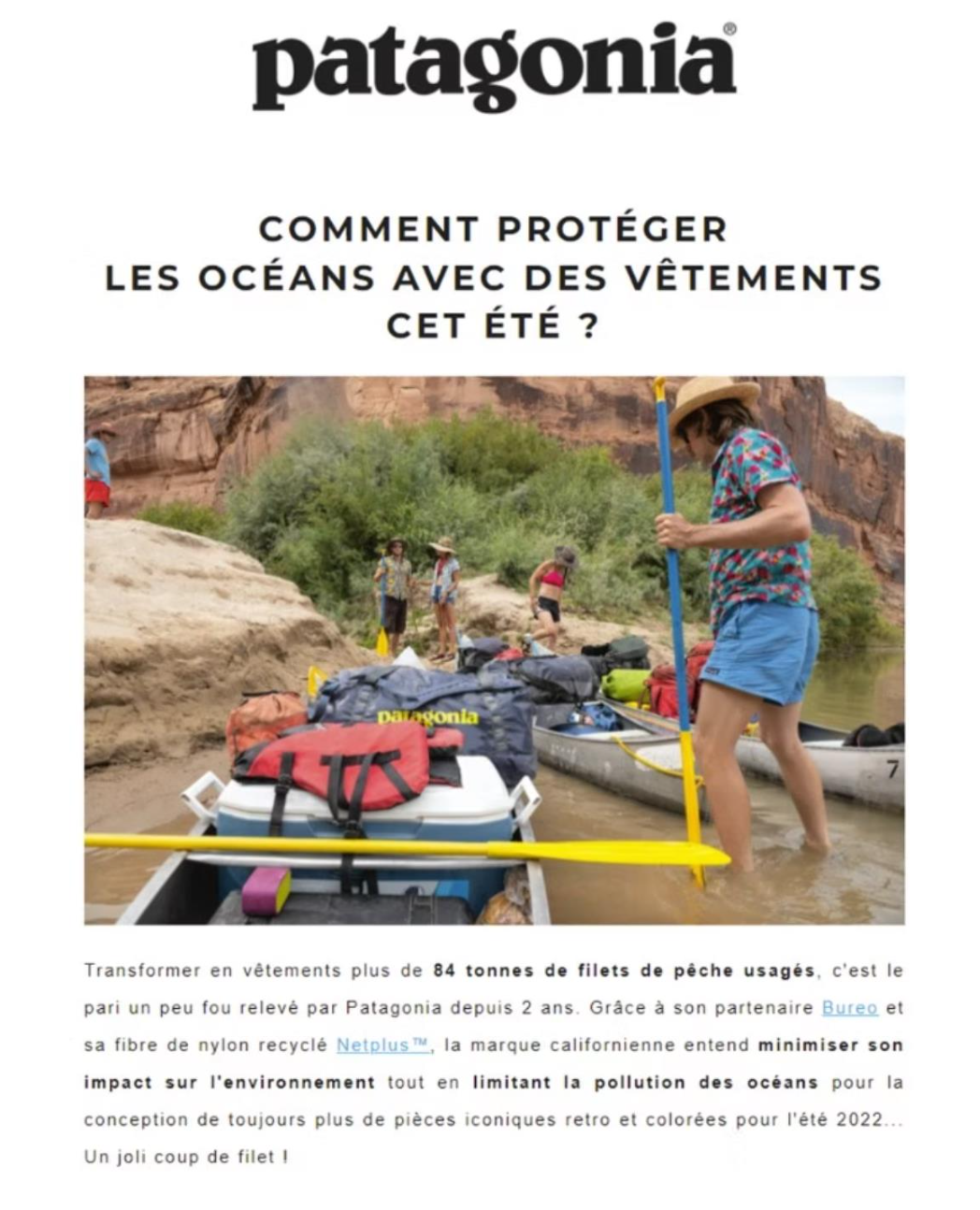
Overall, the congress demonstrated that the Beauty Industry was a good student, since not many claims were reported as misleading, disproportionate, or untrue regarding Beauty products.
It seems that the industry has been doing a bit more of GreenHushing - which means silence about environmental action - by risk of backlash. Good news or Bad News?
Not so sure. A recent report by Euromonitor reveals the on 11 FMCG categories, sustainable products performed better than their regular counterparts. meaning that consumers still want to act greener.
" Sustainability has shifted from a climate‑first agenda to a balanced ESG strategic lever delivering measurable commercial value. Internal barriers can, nevertheless, hold progress back, despite evidence that sustainable products outperform across 11 FMCG industries. Even during 2025’s SKU cuts, they gained share, proving that sustainability boosts margins, trust and resilience." Euromonitor

