Why playful packaging & gentle application ruled PPW 2026
Paris Packaging Week (PPW) returned to Hall 1 of Paris Expo Porte de Versailles on 5th and 6th February 2026 for the event’s 25th anniversary. A record-breaking 14,442 visitors flocked to discover 915 exhibitors and 213 speakers from across the globe.
Covering beauty, luxury, premium drinks and aerosols, PPW has increasingly become a locus for launching new products and concepts in beauty packaging – and re/sources’ team was on the hunt for fresh trends and sustainable innovation.
Discover our key finds below.
Play time for packaging
2025’s trend for turning cosmetic packaging into keyrings and everything from phone cases to chain belts into beauty accessories demonstrates Gen Z’s desire for fun and irreverence. And PPW exhibitors brought plenty to the table for brands to inject play into their products.
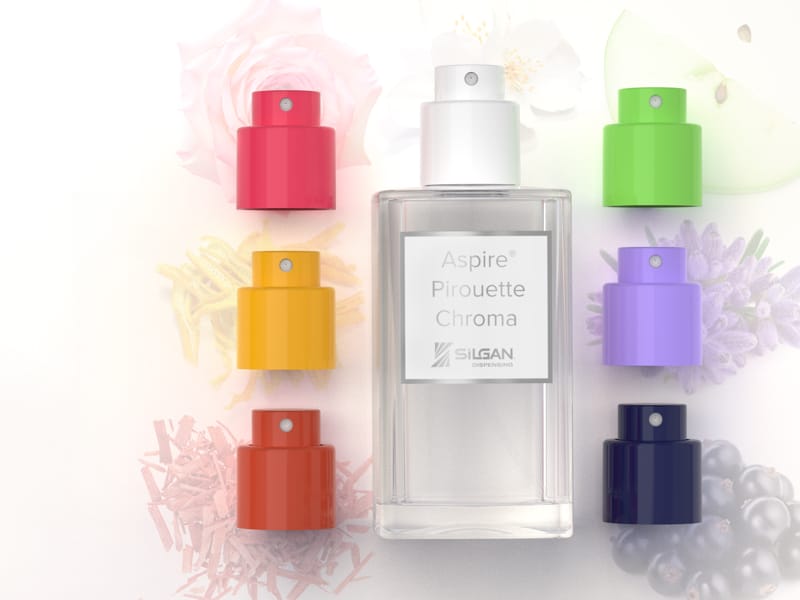
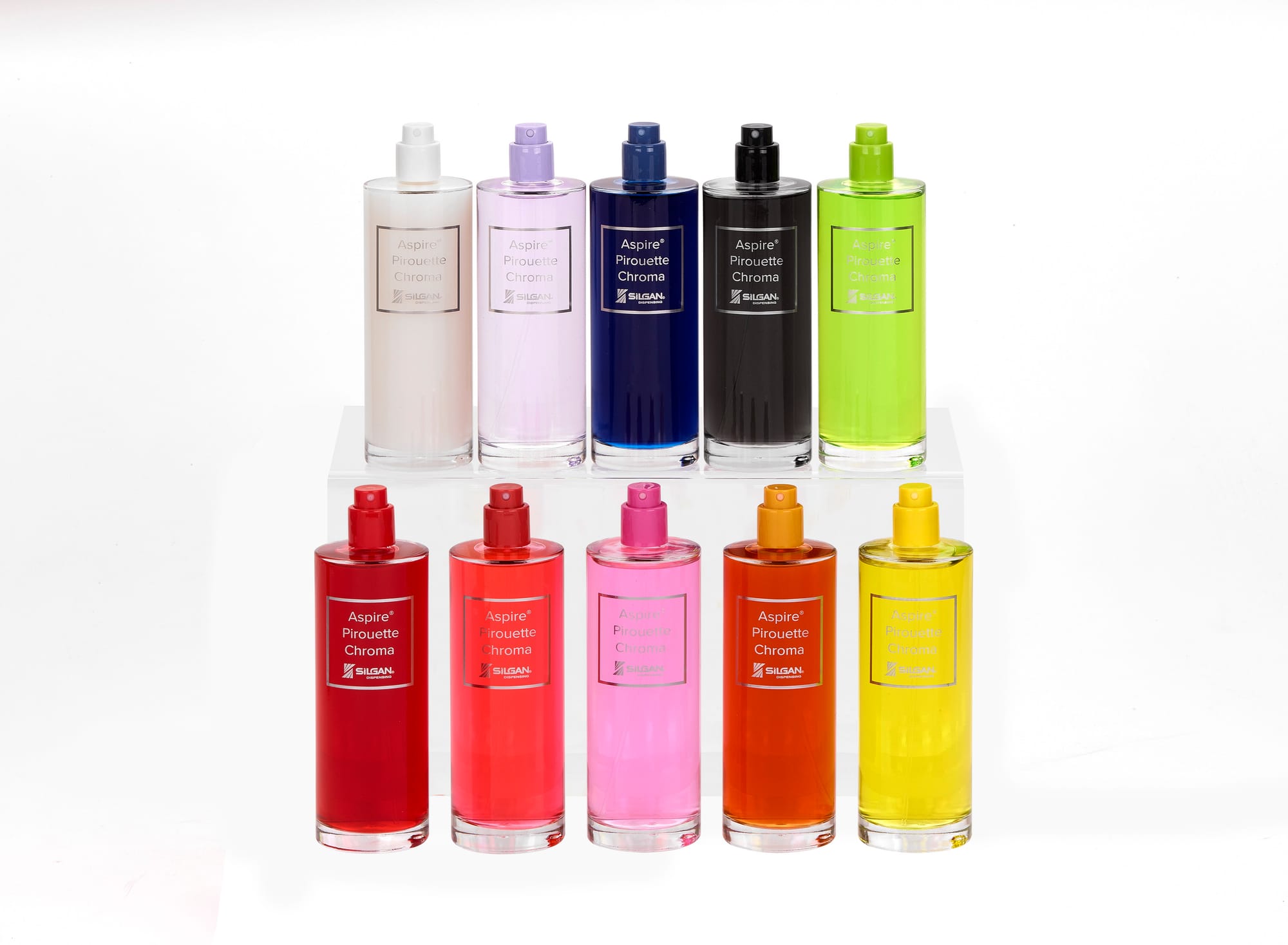
New from Silgan is Aspire Chroma, the latest addition to its Aspire fragrance pump platform, which combines premium sensory with accessible price points. These in-house injected polypropylene (PP) collars and actuators enable fully-customisable colours, letting brands build a signature aesthetic. It also enables differentiation across product tiers as the market moves towards fragrance ‘wardrobes’ and layering. Silgan describes Aspire Chroma as a great option for opaque colours. This includes white, which would traditionally have required lacquering – a technique that can develop adherence issues when paired with the alcohol used in most fragrances. Aspire Chroma also utilises Silgan’s Pirouette Technology, which means the pump can easily be separated from the bottle for refilling or recyclability.
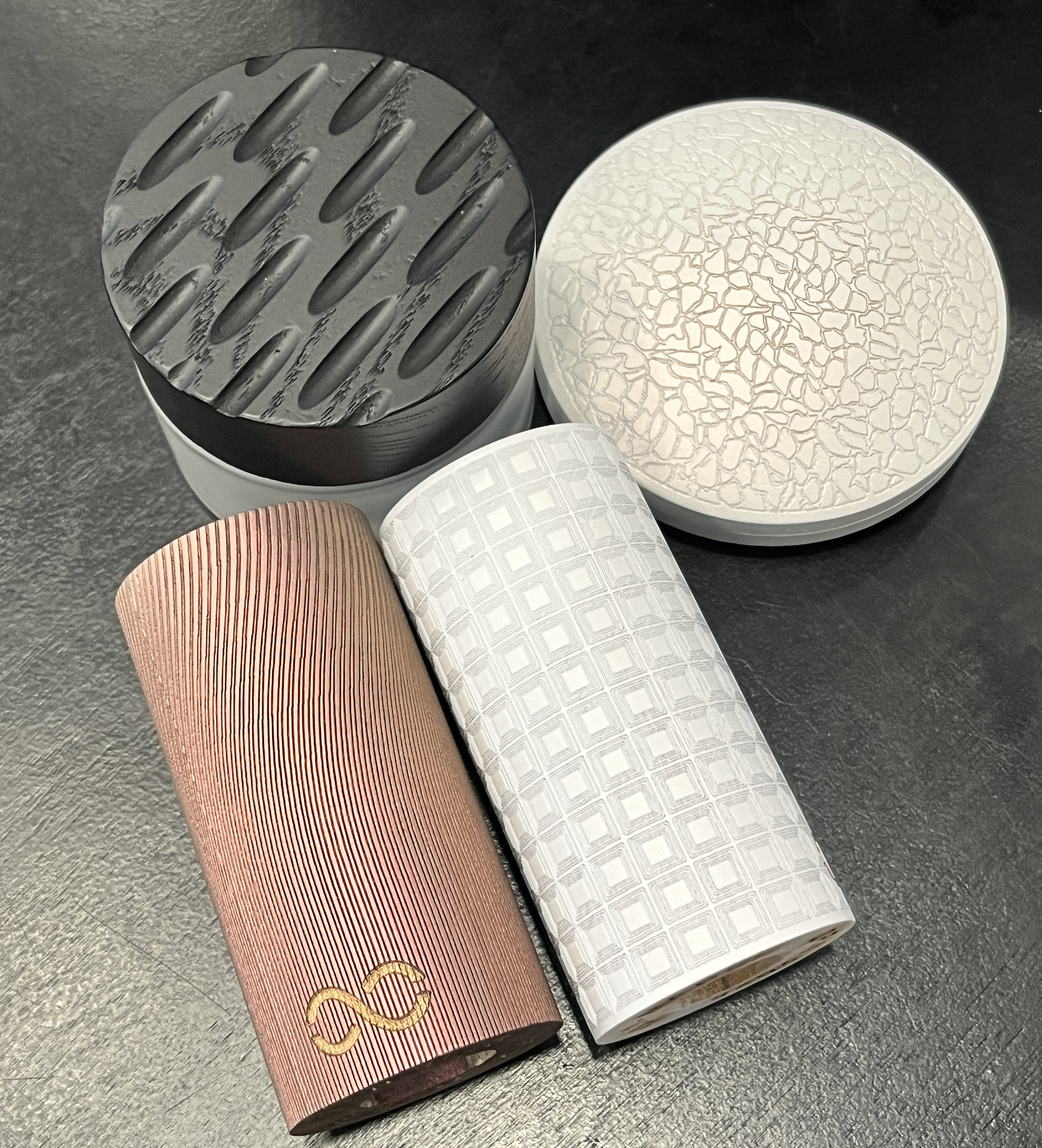
As well as visual differentiation, tactility – smooth contours and unexpected textures – are enchanting beauty fans. Quadpack and Texen (combined under the ownership of PSB Industries) platformed the sense of touch at PPW. Quadpack demonstrated how it can enhance users’ experience of its wooden packaging using laser engraving to achieve super-micro-textures that tease both the eye and the fingertip. Larger creative shapes in wood, meanwhile – for example, a rounded, pebble-shaped jar lid – can be created via tooling.
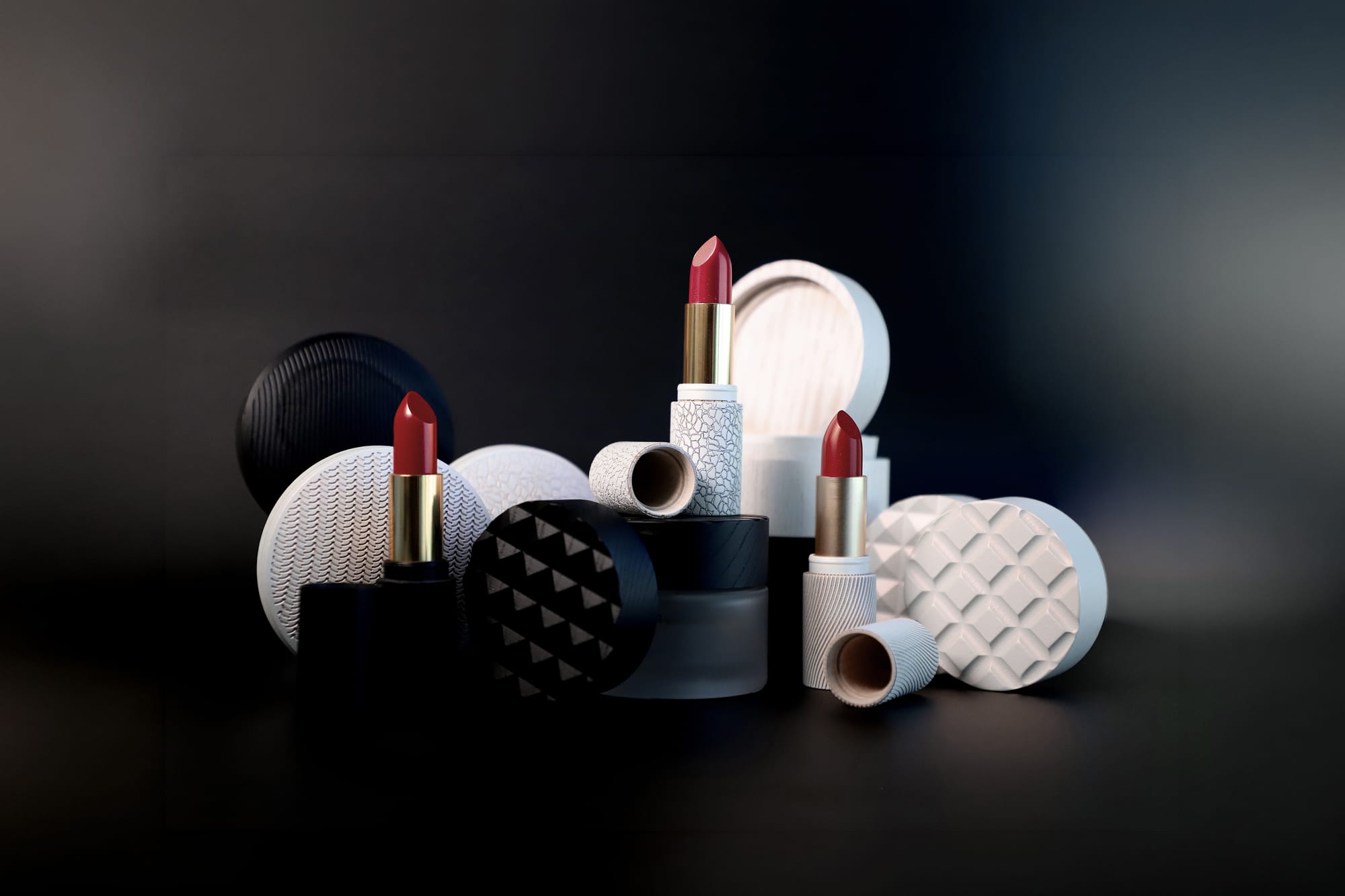
Meanwhile, Texen exhibited its packaging for Lancôme Lash Idôle Curl Goddess Mascara. The 40-degree twisted bottle is monomaterial PP, and the injection-moulded cap and a blow-moulded bottle are engraved inside the mould prior to very fine metallisation decoration. The combination perfectly replicates a brushed metal look and feel. According to Texen, the pack combines easy-to-grip sensoriality, with a distinctive-to-the-touch curved shape and cinched centre. Among Albéa’s launches and also tapping curve appeal was ‘The Comfy Club’, a collection of jars and make-up packs combining neutral colours, rounded silhouettes and tactile, soft-touch finishes.
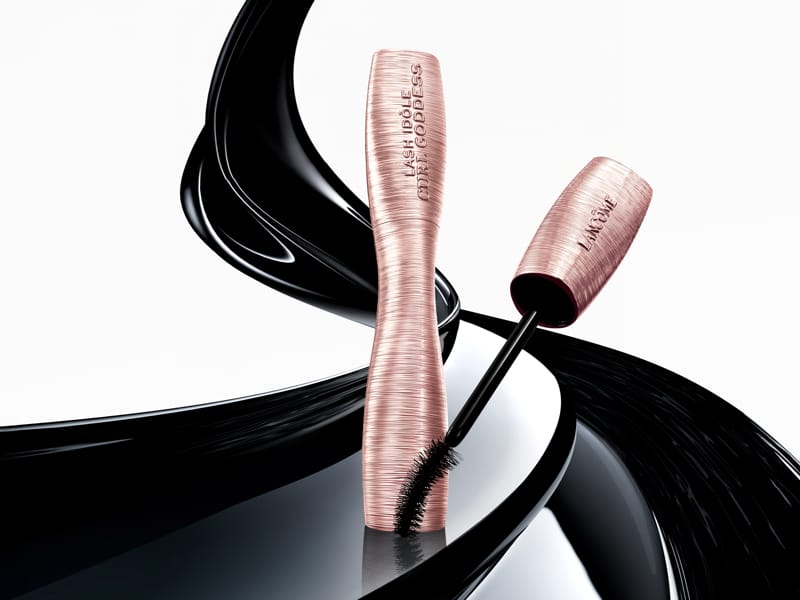
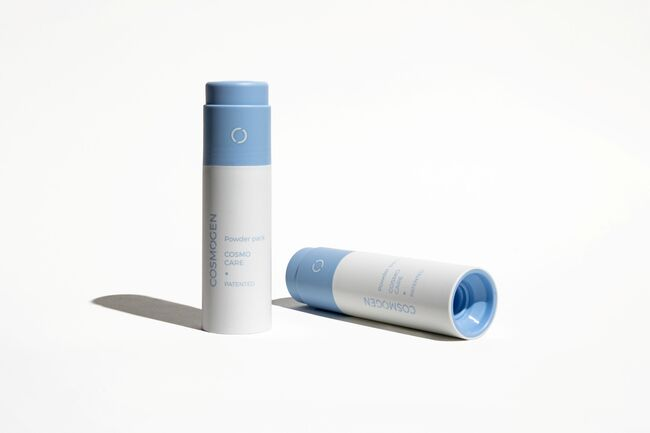
The portability, potential water/energy savings and sense of theatre presented by powder products means suppliers are innovating to dispense this – occasionally messy – format in ways that play on consumer expectations. Cosmogen’s 30ml, PP Powder Pack is airtight and boasts paper refills. It has been designed with a novel push-button dispensing system to elevate the experience.
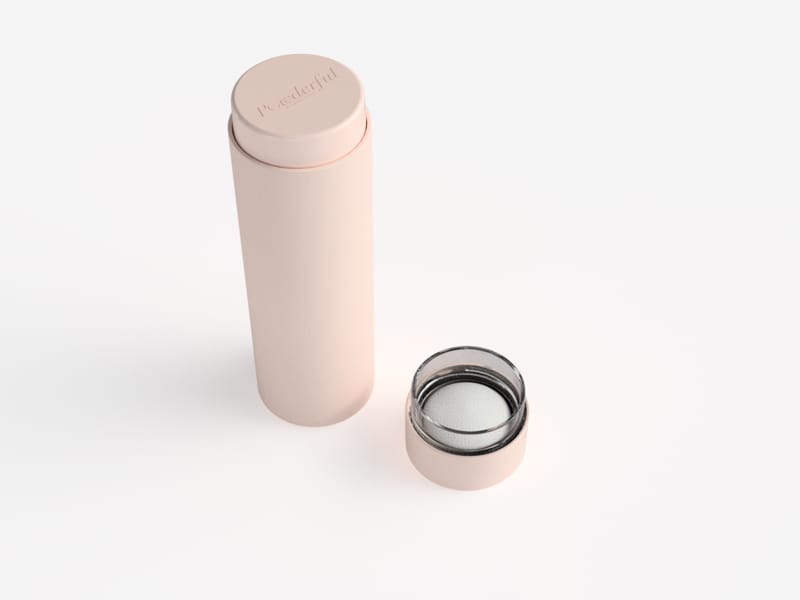
Pochet likewise toyed with gesture rules via its range for dispensing powder-form cosmetics. Called Powderful, the pack – which is monomaterial – eschews the typical ‘shaker’ gesture, allowing powder to be dispensed via the base.
A gentler applicator gesture
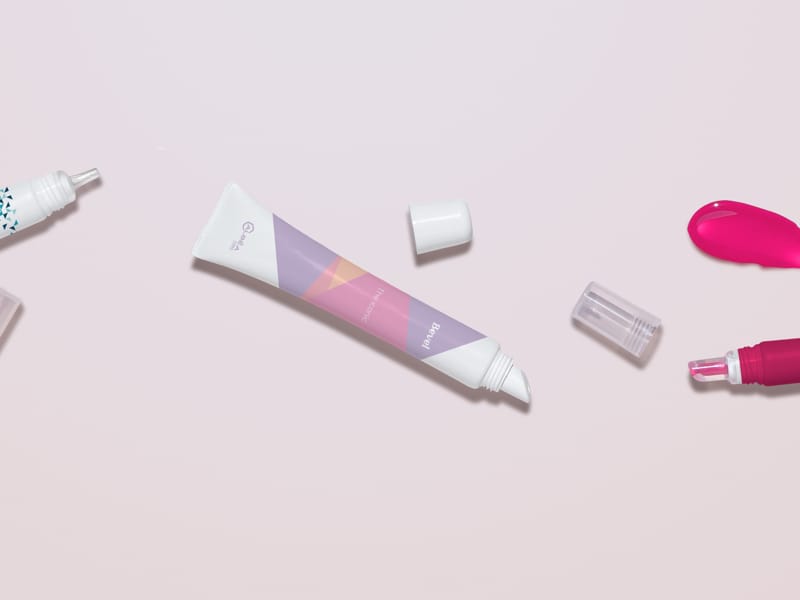
At the same time, more applicators promising a soft, pliable, almost finger-like touch are hitting the market. New to Albéa’s tubes line up are two new soft applicators. Soft Bevel is a transparent tip that showcases the formula’s colour – a growing trend in applicators. The bevel is rigid enough to allow controlled application, but the TPE bevel applicator provides flexibility and a soft touch. The tube is recycling-ready and can be made either in polyethylene (PE) or PP. Also new is Soft Dropper, which sports a soft-touch, flexible tip, adding a pleasant user experience to the clean, targeted application expected from droppers.
Quadpack likewise evolved the tube applicator’s category with Serenity Tube, a textured, flexible applicator aimed at delivering a gentle massage from 19mm diameter tubes (from 5-20ml). The built-in thermoplastic elastomer (TPE) spatula is designed to encourage enhanced formula absorption and may be customised by the brand.
For make-up, Cosmogen looked to solve the pain point of sponges soaking up too much formula with its Tense Cushion. This applicator is two sided, with one side featuring a cannula to dispense formula (be this concealer, highlighter or blush) and another sporting a soft, washable sponge to blend the formula.
Innovating in the fragrance packaging market, Iporous’ Bubloom offers a new and intimate gesture by transforming liquid perfume into a bubble form through its porous tip. Bubloom’s soft dome-column shape allows for precise, yet soft and delicate application via the generated bubbles.
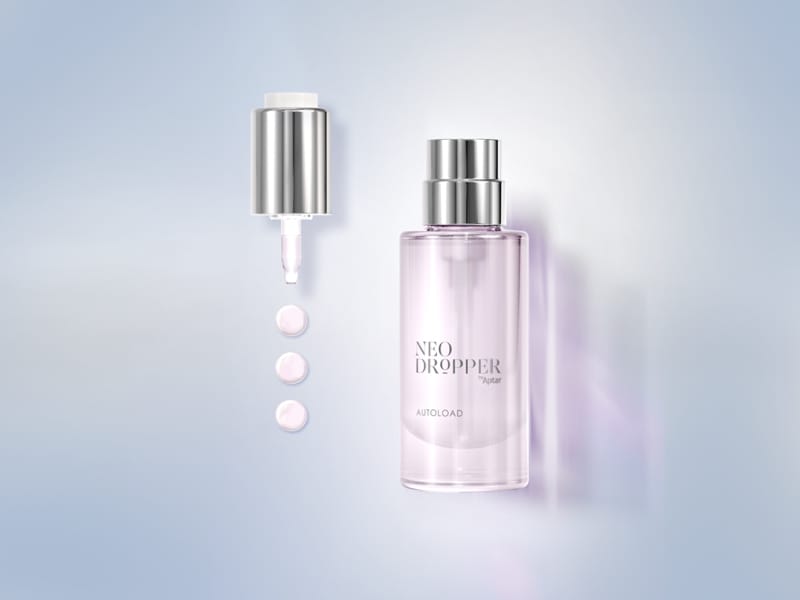
Aptar’s latest short applicator variant, NeoDropper Autoload, meanwhile, brings a simplified gesture to the company’s sealed bottle dropper concept, which prevents overflows and spills, and allows for a high restitution rate to prevent formula waste.
Substances of value
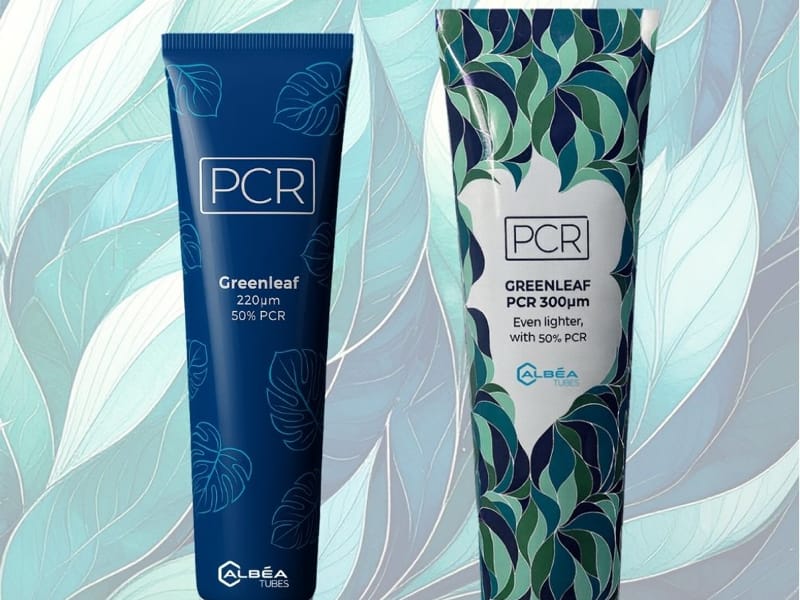
re/sources is always on the lookout for environmentally conscious materials with the potential to pack an aesthetic punch, and Paris did not disappoint. Albéa introduced tubes made with Greenleaf PCR, a recycling-ready PCR web with enhanced formula protection, ensuring ingredients like water and methanol are well-preserved inside the tubes. The tube contains 50% PCR in the sleeve and is optimised for sorting and recycling in the HDPE stream.
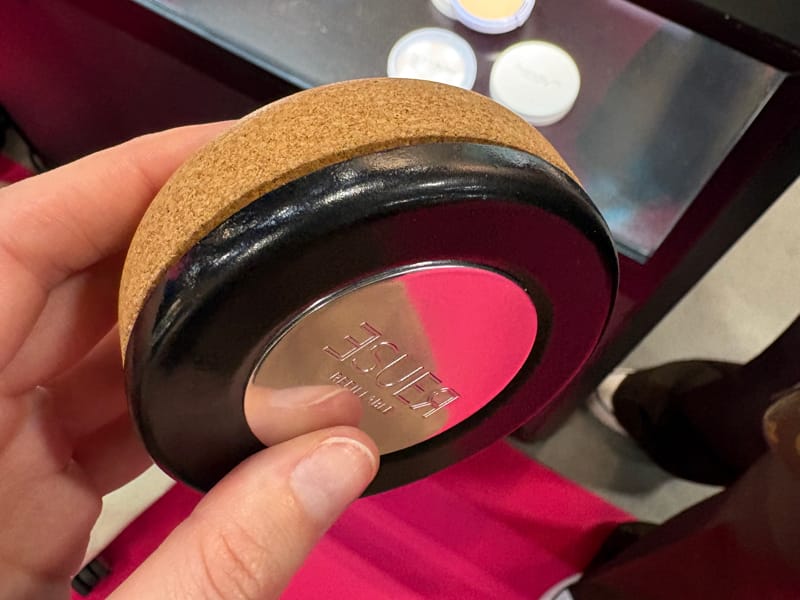
FR&Partners, meanwhile, showcased the potential of its SUE all-cork container for solid cosmetics through the Cosmoprof India 2025 award-winning R-SUE concept. R-SUE combines a compact made from micro-agglomerate cork without additives or glue with an aluminium refill pan for a pack that is said to feel “natural, smart and built-to-last.”
We also saw new twists on traditional materials; Verescence has now reduced the weight of its bestselling standard glass bottle, Cara, by 64% in weight, with a 100ml flacon weighing just 90g, while Bormioli Luigi also used ultra-thin, ultra-light glass for its Swing refillable glass lipstick; for PPW, specifically, the Italian glassmaker proposed a glass and wood lipstick concept.
Segede – a family firm specialising in zamak caps and decorative elements – unveiled its data-sharing role in CITEO (the environmental non-profit’s) recent confirmation of zamak’s recyclability. This saw the material upgraded from orange to green for recyclability. Meanwhile aluminium specialist G.Pivaudran took advantage of the show to promote its objective to have converted all its ranges to low-carbon aluminium by the end of the year.
Monomaterial, yet technical
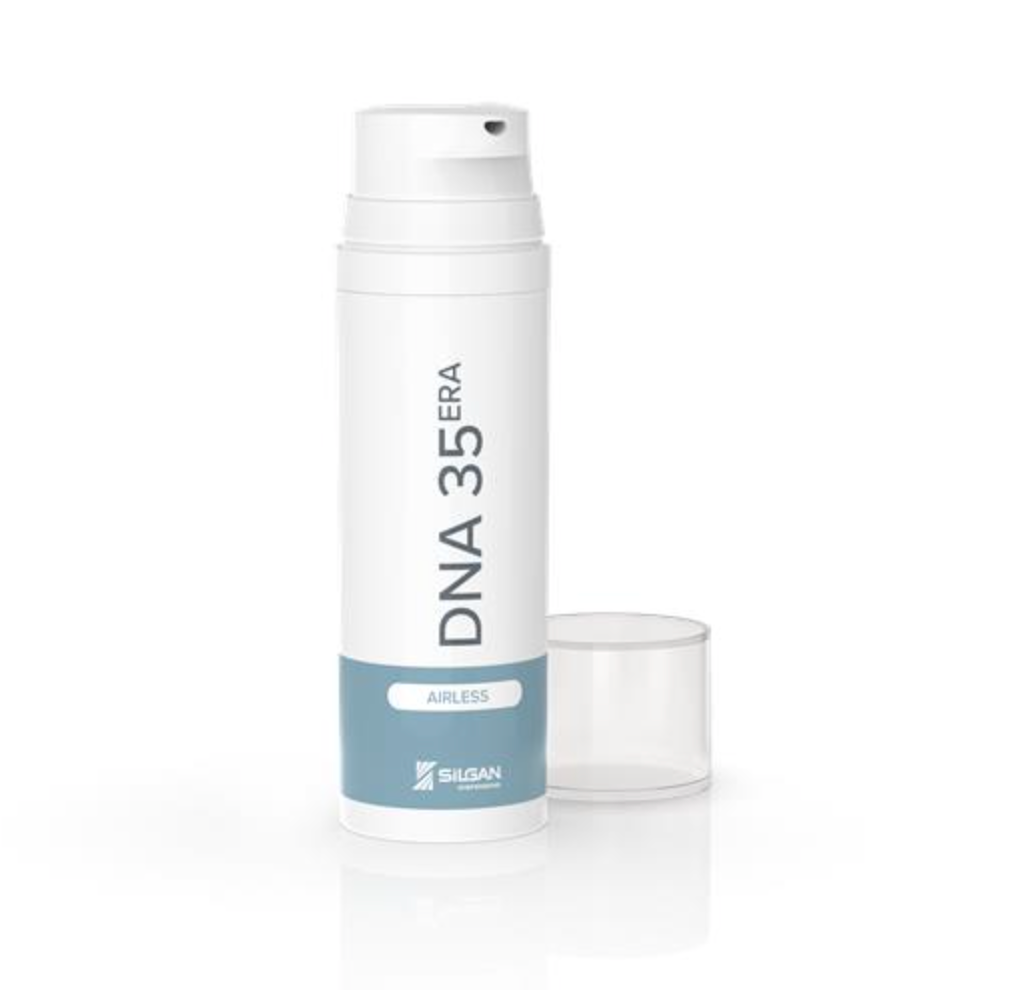
Finally, progress continues on the delicate task of swapping out traditional components in favour of easily-recycled monomaterial ones without any dip in performance. Last autumn, at Luxe Pack Monaco, Silgan introduced its ERA fully-plastic airless pump-on-tube. Now, ERA is being applied to Silgan’s DNA airless systems. Available in 30ml, 40ml and 50ml formats, and said to be suitable for facial serums and creams, DNA 35ERA has been developed to meet exacting client requirements such as smooth and controlled actuation, formula compatibility and protection, and precision dosing. But it is also recyclable within polyolefin streams, while its airless design ensures a formula evacuation rate above 95%, helping limit product waste.
Lumson’s new Free Pump, meanwhile, represents five years of work: two on material discovery and three more on product development. It eschews the traditional internal flange and metal spring: two separate parts in different materials. Instead, it replaces them with just one patented, integrated component, which is made from an advanced thermoplastic compliant with the PP recycling stream. The new spring/flange is available in Free Pump Airless and Free Pump Atmospheric variants, which are both in alignment with the European Union’s upcoming 2030 recycling regulations.
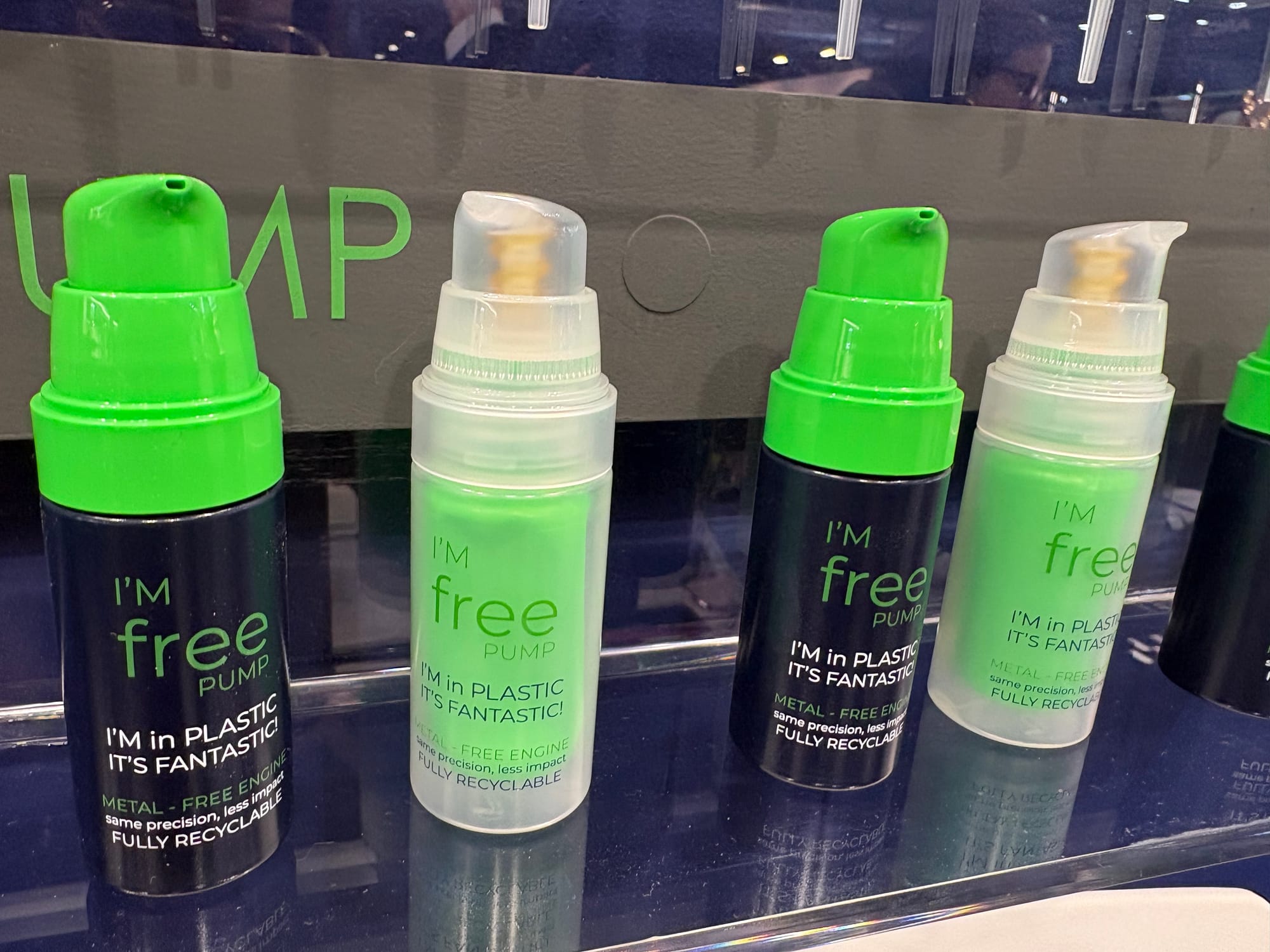
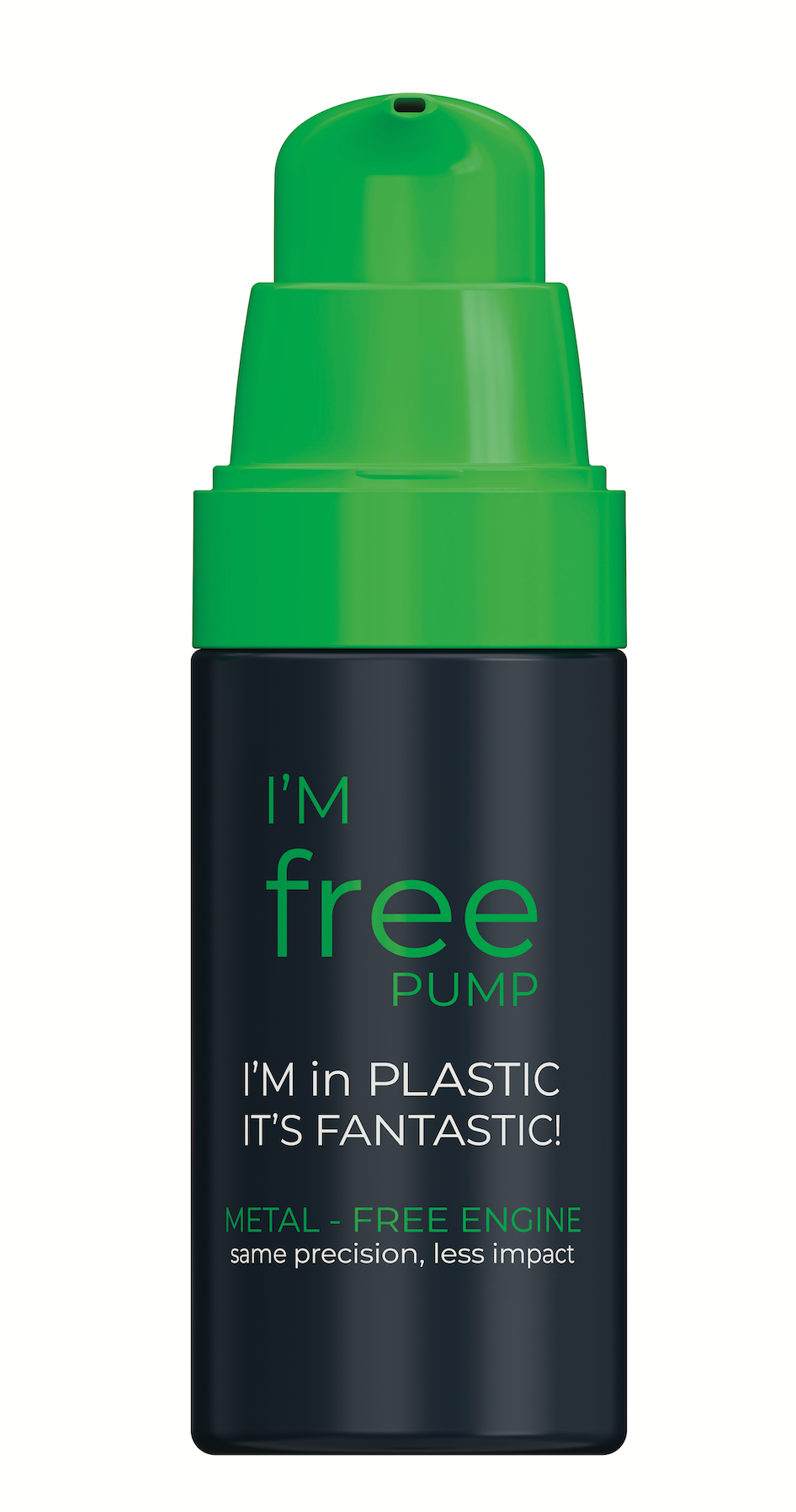
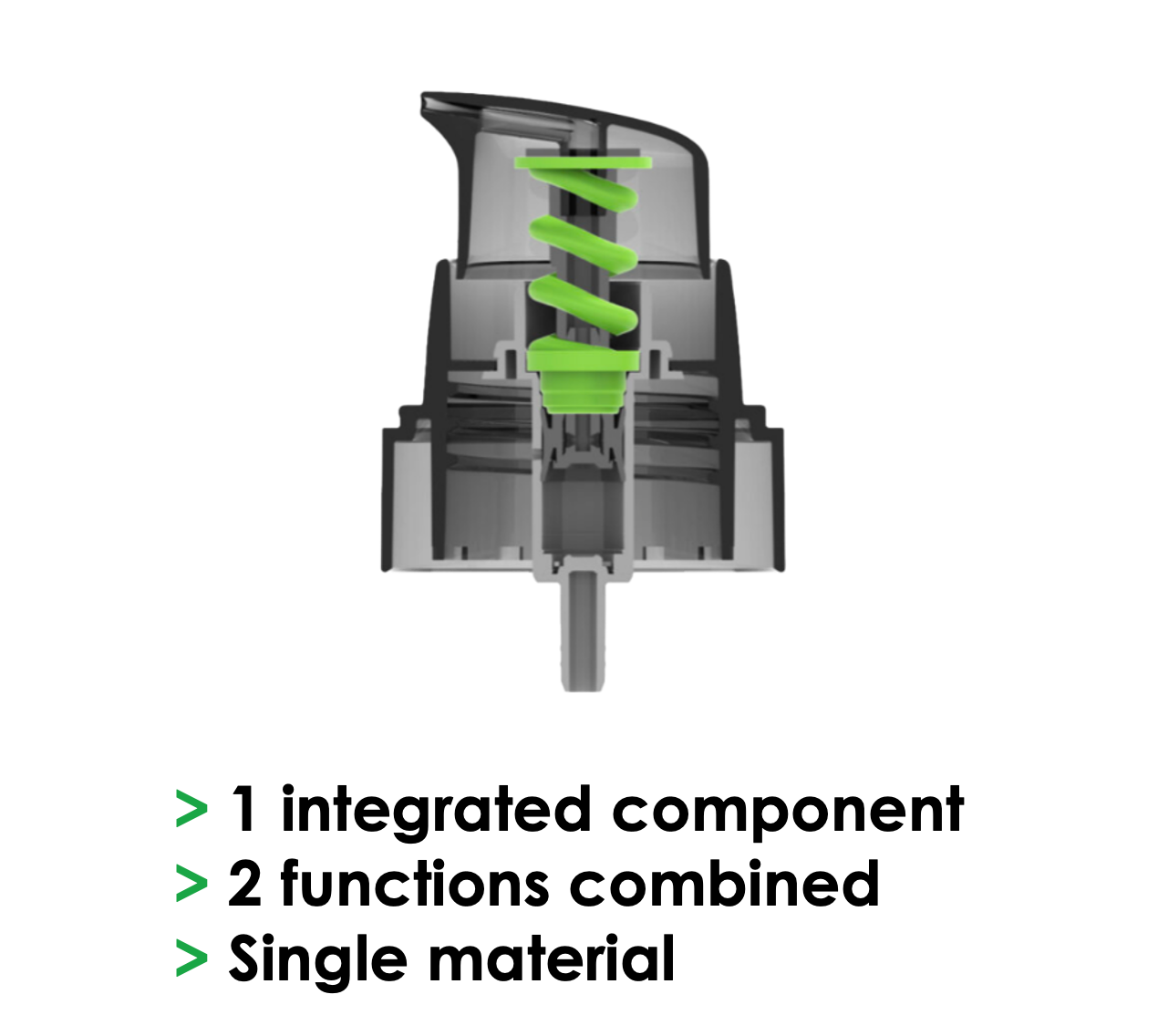
Lumson FREE Pump for atmospheric and airless applications