Clement packaging wins Dieline awards - sustainability
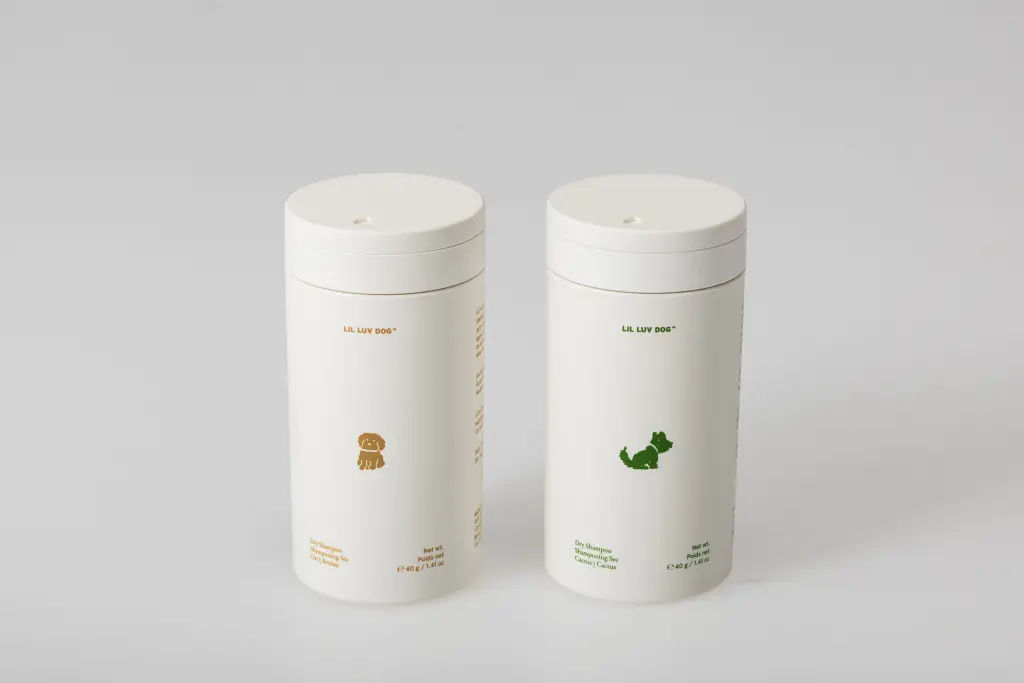
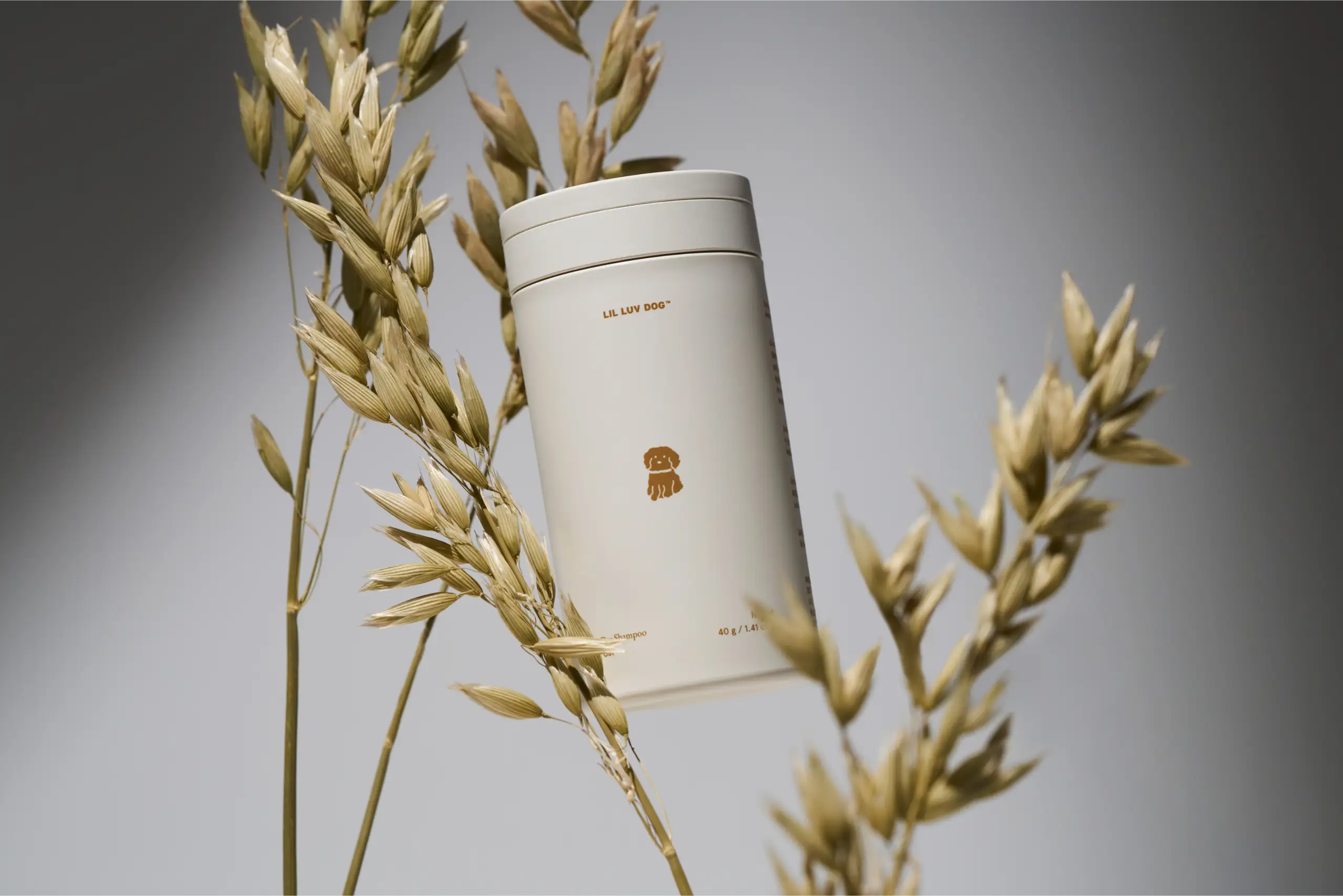
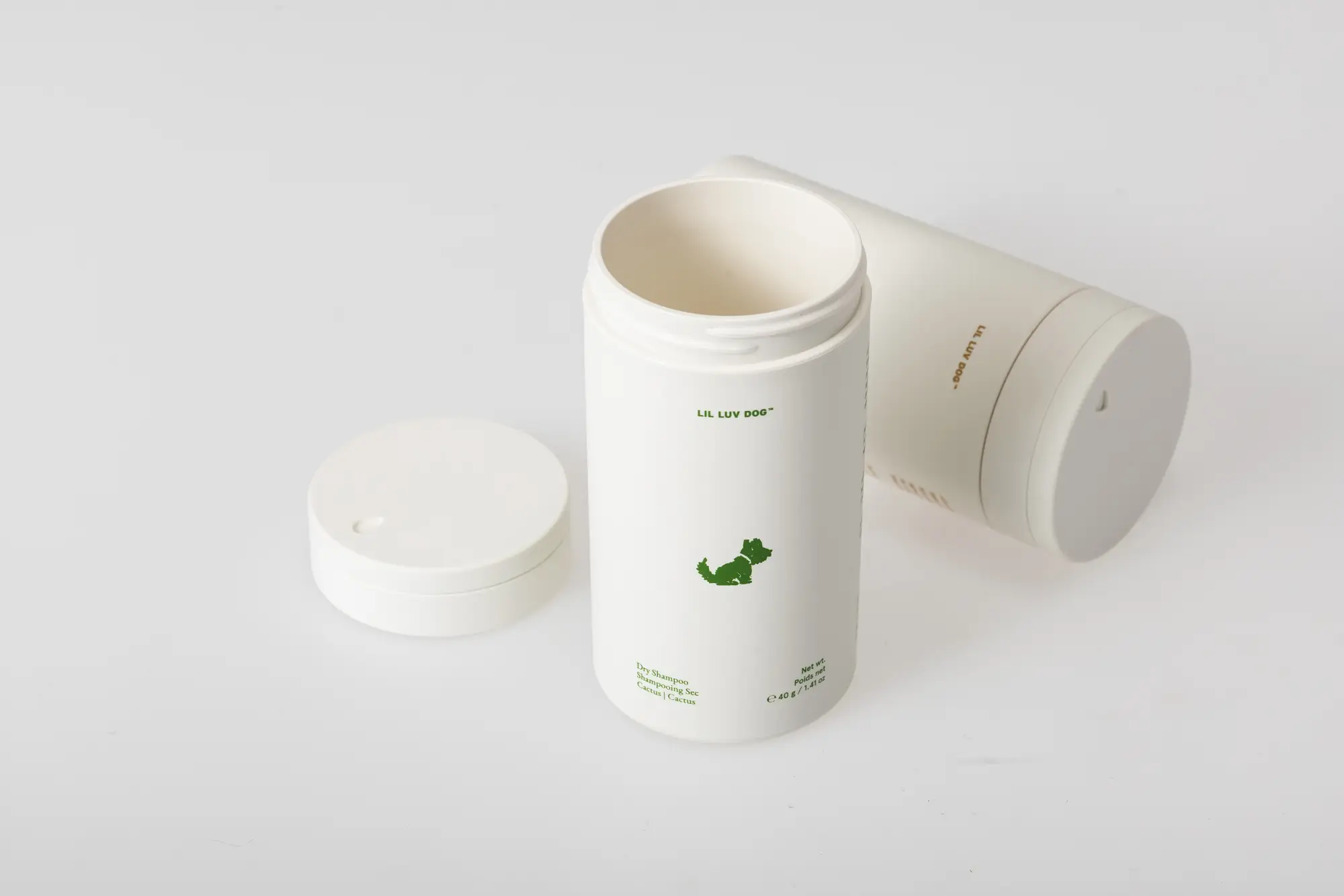
Clement Packaging’s home-compostable, plant-based packaging material is patent-pending and blends bamboo powder, home-compostable plant-based resins, and mineral oxide additives. This material serves as a 1:1 replacement for fossil-fuel plastics.

Clement Packaging just took home 1st Place in Sustainable Design at the 2026 DIELINE Awards.
Learn more, about this material, from our interview with Helen Yang, CEO and Founder of Clement Packaging.
Functionally, Clement's material can withstand water and moisture without needing a plastic barrier. Lil Luv Dog needed a package that could withstand bathroom moisture, humid environments, and on-the-go use. In this case, glass was too heavy and fragile, and aluminum would dent too easily when tossed around with pets. They met their need for a shelf-stable package while keeping the brand plastic-free.
From a sustainability standpoint, Clement express their enthusiasm create a material that’s both sustainably sourced and sustainably disposed of.
Upstream, Clement sources renewable plant-based materials including bamboo and bioresins made with fermentation (polyhydroxyalkanoates). Unlike some sugarcane- or corn-based packaging, their raw materials do not detract from the food stream. The bamboo is “upcycled,” meaning it comes from pre-consumer waste streams–excess bamboo that would’ve otherwise been incinerated. Bamboo also absorbs ~ 3.73 m^3 of CO2 per day (Zhou et al.). Beyond the carbon-footprint wins from bamboo, we source everything locally and produce in-house to minimize shipping emissions. Clement sources all our raw materials from the same province as our factory (Zhejiang, China), avoiding the carbon-intensive processes of collecting and recycling PCR plastic.
Downstream sustainability and end-of-life are just as important. Many “sustainable” materials today do trade fossil fuels for a more renewable source (e.g. sugarcane-based PET), but still beget harmful microplastics and persist in the environment. Oxo-biodegradable plastics and additives have the same problematic end of life. So they invented a material that’s fully biodegradable, home compostable, and crucially non-toxic after breakdown. They’ve gone the extra mile to obtain 3rd party certification for home compostability, ready biodegradability, non-ecotoxicity, and non-earthworm toxicity. This powder shaker will break down quickly and safely after use, which is especially important since the closure would’ve been too small to recycle had it been made of plastic.