
Antati Skincare, offering a new beauty language for Arab skin
Antati, meaning "You" in Arabic is developed with mesopotamia in mind - constantinople - the birth of humanity. It targets Arabs from mesopotamia and arabs from the arabian peninsula who are subject to arid climate conditions.

As the beauty market matures, knowledge expands beyond regular territory and new places offer new visions. Some brands are born from a market gap. Others are from a cultural longing. Antati, launched in January 2025 by Lebanese founder Toufic Braidi, sits in the space where skincare becomes a story shaped by identity, climate and science. It is developed in Lebanon. It is fragrance-free, vegan, and halal certified, with a clear commitment to formulating for Arab skin, using local ingredients, and addressing the conditions it faces every day. The climate in the region is very different, and consequently, skin has different needs. Dryness is one key issue, for instance.b“You haven’t seen dry skin until you’ve seen arab skin” said founder Toufic Braidi.
Inception
The idea began in 2022, inside a lab created before the brand even took form. Toufic wanted to understand why the global beauty industry rarely addressed the specific needs of the Arab world, despite the region’s distinct environment and genetic profile.
The realities are clear. Arid climates. Three hundred days of sun in many countries. High levels of pollution in fast-growing cities. A genetic tendency toward dryness which affects the vast majority of Arab consumers. These factors shape the skin in fundamental ways, so Antati was built to respond to them from the start.
The brand is developed with mesopotamia in mind - constantinople - the birth of humanity. It targets Arabs from mesopotamia, arabas from the arabian peninsula.
The brand follows a strict formulation philosophy. Antati is vegan, fragrance-free, halal certified, and applies a stricter lens than European cosmetics regulations. More than 4,000 ingredients are excluded, including PEGs, parabens, phenoxyethanol and retinoids. This mindset pushes the team to look for alternatives that meet high safety and efficacy standards.
Formulated locally, answering regional needs
Innovation emerged naturally from these limitations. Antati uses peptides derived from radish root, banana leaf extract for preservation, and flaxseed oil that is locally sourced, pressed and fermented in the lab.
All plant extracts are purchased in raw form and processed internally. This approach makes it possible to reduce concerns around bioaccumulation and limit the accumulation of unnecessary layers on the skin. The result is a range that achieves 100 per cent Yuka approval, apart from a single product that scores 92 per cent.
Toufic often describes the brand through three pillars that shape skin health. Genetics. Environmental exposure. Gut health. This framework guides his formulation choices. Nascent science around Arab genetics informs how the barrier behaves. Environmental conditions across 39 countries in the region influence the choice of texture and potency.
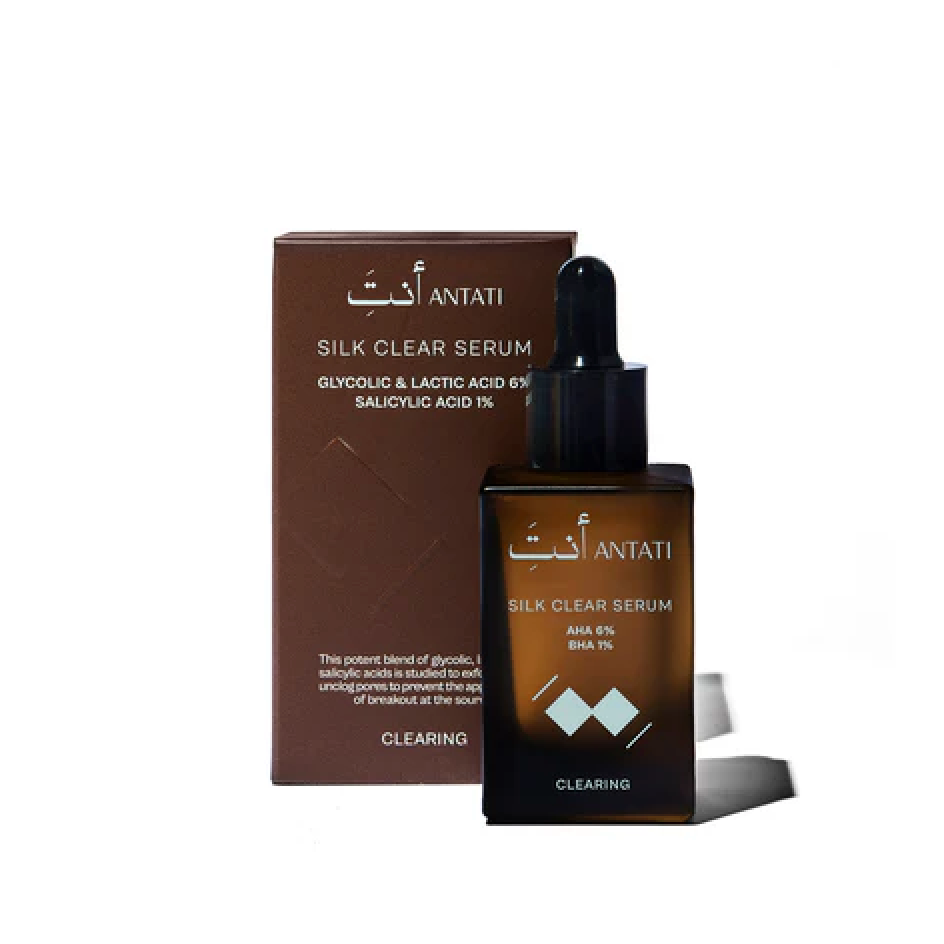
The formulas are deliberately streamlined. Niacinamide reinforces the barrier that is naturally prone to dryness. Lactic acid offers gentle exfoliation that suits conditions such as dermatitis or psoriasis. Sodium hyaluronate provides deeper hydration. A stabilised form of vitamin C delivers potency with reduced risk of oxidation in hotter climates. Every ingredient is selected to serve a clear function.
Equally important is what Antati chooses not to claim.
The brand avoids loose terms such as natural, organic or dermatologically tested. “These phrases often lack clarity”, says Toufic, so he focuses on transparent explanations of ingredient purpose and safety, and sometimes “calls-out BS in the industry”.
From the Comedy stage to a beauty lab to offer educational content
Toufic made a name for himself in the world of comedy, under the Instagram account Toufiluk (1.6M followers). Armed with a master's in Bioengineering and Biomedical Engineering with an emphasis on Biochemistry, he decided to launch a beauty range. Starting with a lab to create and develop its own ingredients sourced and transformed locally in Lebanon. So he knows a thing or two about beauty formulation.
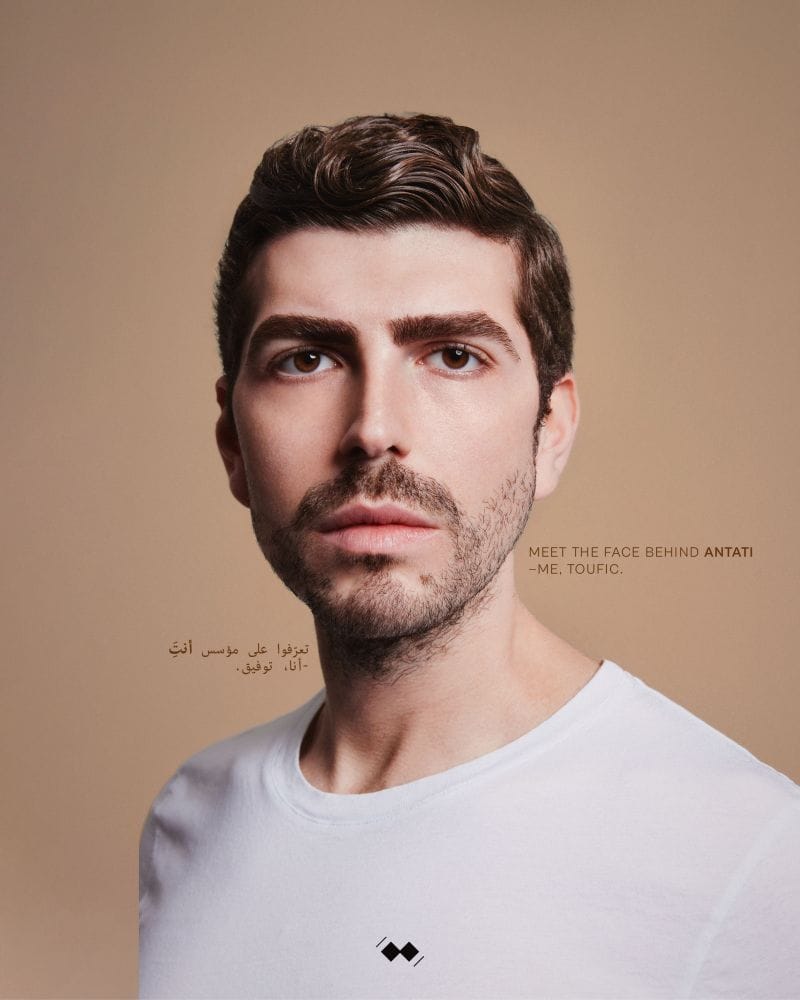
Hence, Toufic’s educational videos, especially in Arabic, frequently go viral. Many consumers in the region are only now receiving accessible explanations of cosmetic science, and the appetite for this information is significant.
Heritage
Antati sits in the prestige space, which allows investment in ingredients that are normally associated with lab-led brands. The intention is not luxury for the sake of positioning, but a commitment to quality that feels necessary for a region whose needs have historically been underserved.
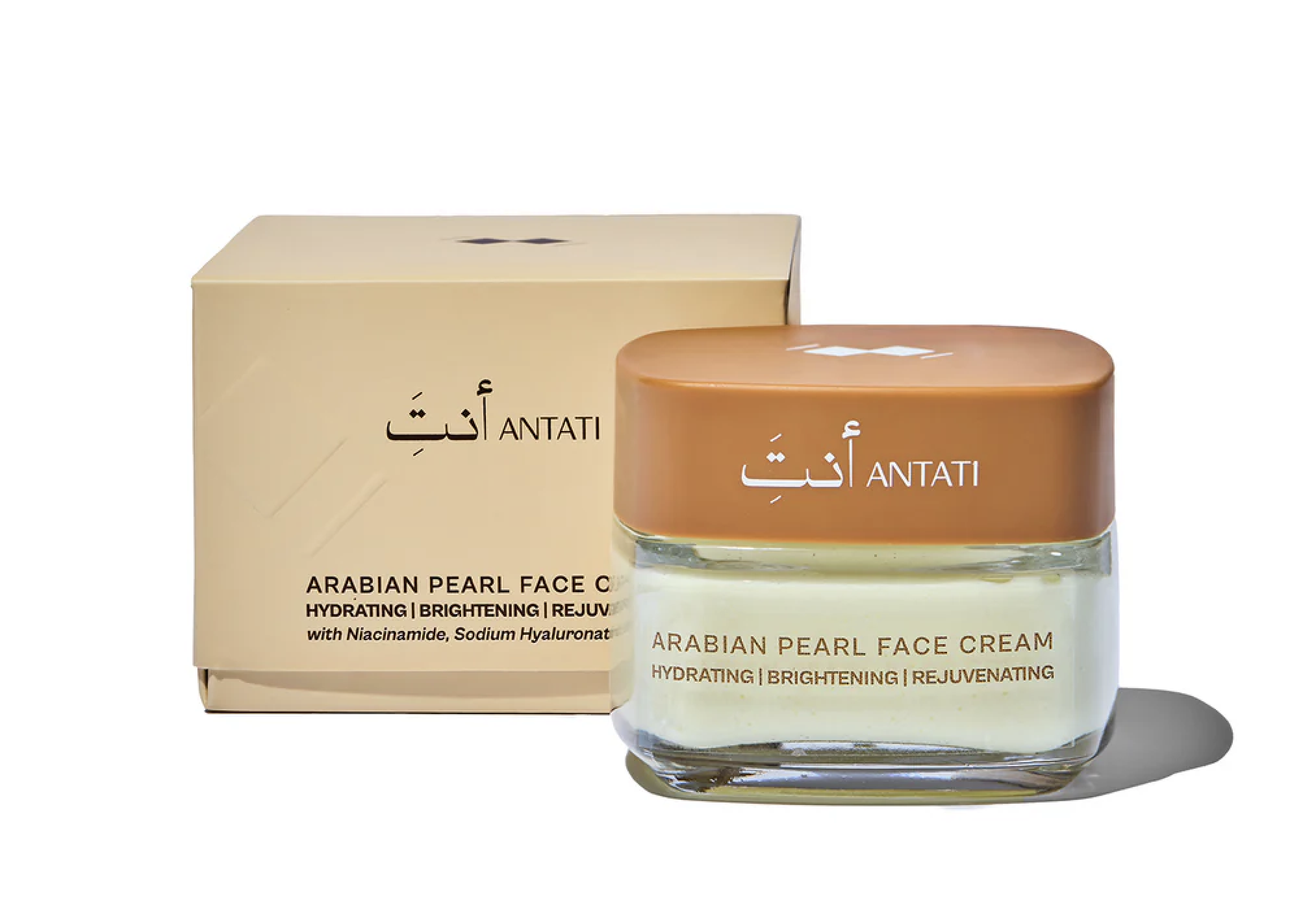
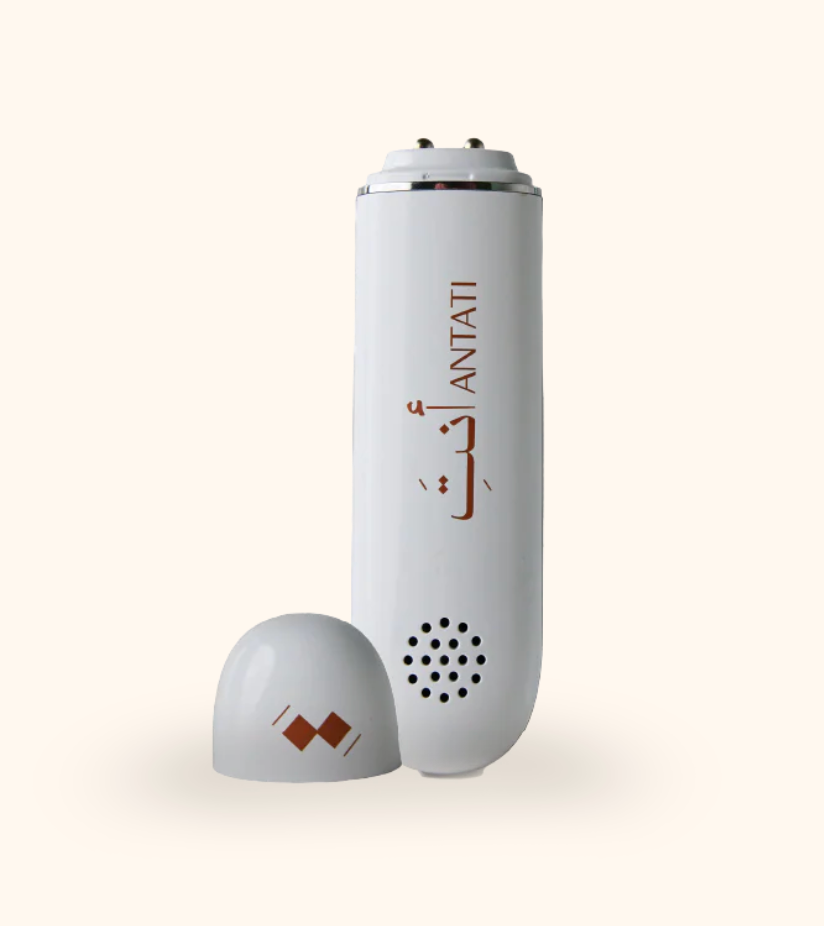
The brand currently offers just over 10 SKUs (Units), including micellar water, toner, cream, and eye stick, and has recently launched two lip oils and one eyebrow treatment, including one lip oil with a very gourmand formula that uses date as an ingredient. It also offers a skin analyser device that “uses dual electrodes to measure moisture levels, elasticity, and determine skin's current age.” Designed to empower users in their skincare journey with personalised insights, allowing them to tailor their beauty routine, further demonstrating the brand's take on “knowledge is power”.
The brand is sold globally through its website, locally in Beirut at its own store, and soon in a new store in Lebanon, in Toufic’s hometown, and is also present in selected retailers.
A brand shaped for arid climates, intense sun, high pollution and a shared genetic landscape. A brand that speaks to a community with a deep relationship to heritage and a growing desire for scientifically grounded care. Antati is still young, yet more than 4,000 five-star reviews already show that consumers recognise themselves in what it offers. It is not only a new skincare line. It is a new frame for understanding Arab skin.


